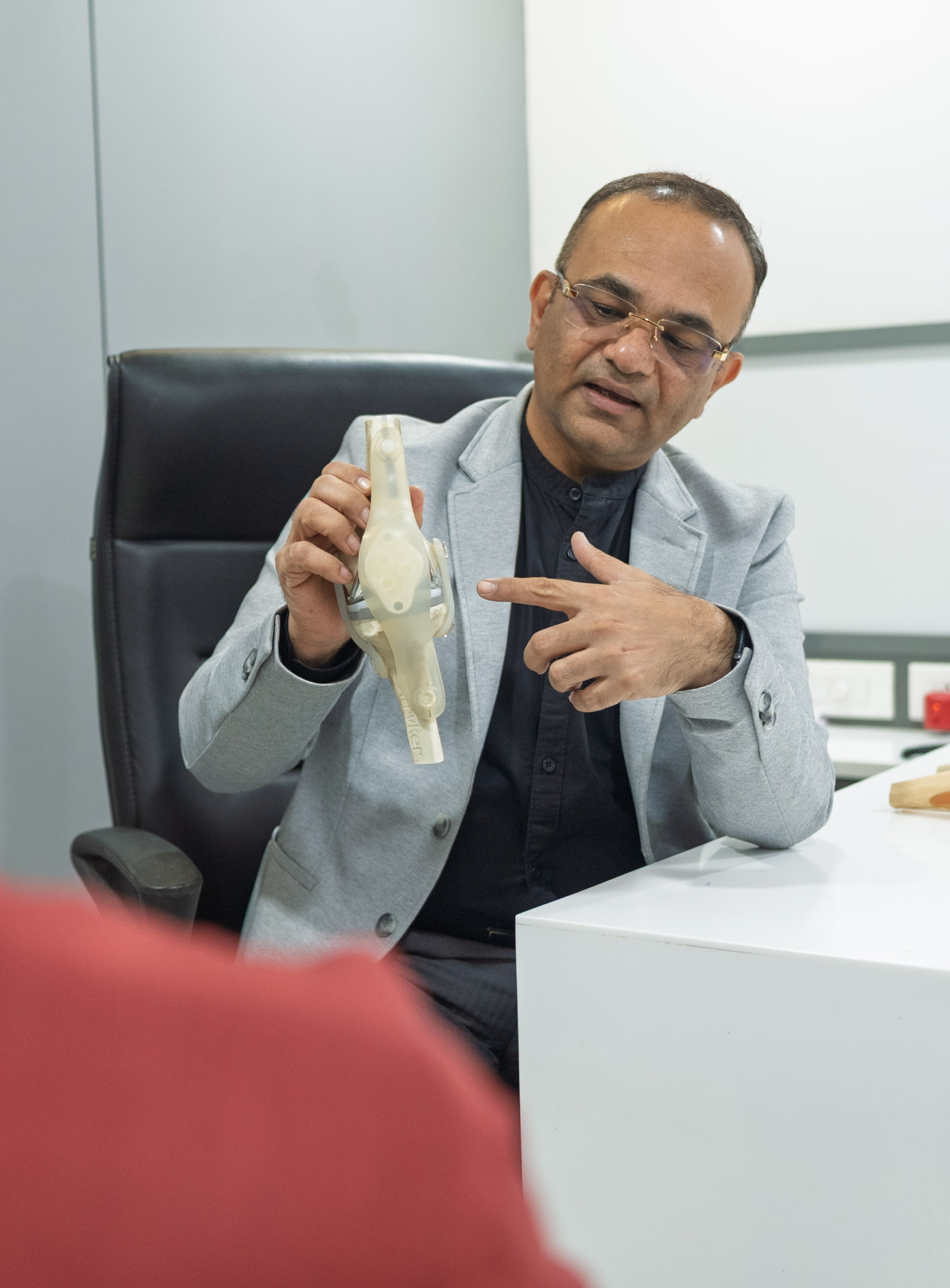




Joint pain can slowly take control of your daily life. Whether it is difficulty walking, climbing stairs, or simply standing for long hours, damaged joints reduce mobility and confidence. In recent years, medical technology has transformed orthopedic treatment through robotic-assisted joint replacement surgery — a breakthrough approach that delivers improved precision, faster recovery, and longer-lasting results.
Finding the best robotic joint replacement surgeon in Rajkot is an important step toward reclaiming an active lifestyle. Skilled specialists combine advanced robotics with clinical expertise to treat complex knee and hip conditions safely and effectively. This blog explores robotic joint replacement, how it works, why it is beneficial, and what to consider when choosing the right surgeon. It also highlights patient preparation, recovery expectations, and long-term outcomes so readers can make informed decisions about their orthopedic health.
Understanding Robotic Joint Replacement Surgery
What Is Robotic-Assisted Joint Replacement?
Robotic joint replacement is an advanced surgical procedure where a robotic system assists surgeons in performing knee or hip replacement operations with greater accuracy. Contrary to popular belief, the robot does not operate independently. Instead, the surgeon guides the system, using detailed imaging and planning software to ensure optimal implant positioning.
Traditional surgery relies heavily on manual judgment and visual estimation. Robotic-assisted procedures add data-driven precision, reducing the chance of misalignment or uneven implant placement. This improves joint function and minimizes complications.
Key aspects of robotic-assisted surgery include:
- 3D mapping of the patient’s anatomy
- Personalized surgical planning
- Real-time guidance during the operation
- Enhanced accuracy in implant positioning
This method is particularly useful for patients suffering from severe arthritis, joint deformity, or previous unsuccessful surgeries.
Why Robotics Improves Surgical Accuracy
Precision is vital in joint replacement because even small errors in alignment can affect comfort and longevity. Robotic technology helps surgeons achieve millimeter-level accuracy. Pre-surgery scans generate detailed anatomical models, enabling tailored planning. During surgery, sensors monitor movements and guide the surgeon within safe boundaries.
Benefits of this precision include:
- Reduced trauma to surrounding tissues
- Lower risk of complications
- Improved joint stability
- Faster rehabilitation
Ultimately, robotic assistance enhances outcomes without replacing the surgeon’s expertise. It acts as a powerful tool that elevates surgical quality and consistency.
Conditions That May Require Joint Replacement
Common Knee and Hip Disorders
Joint replacement surgery is often recommended when conservative treatments fail to relieve pain or restore mobility. Common conditions include:
- Osteoarthritis
- Rheumatoid arthritis
- Joint degeneration due to aging
- Traumatic injuries
- Cartilage damage
- Bone deformities
Symptoms indicating the need for evaluation include persistent pain, stiffness, swelling, and reduced range of motion. Patients who cannot perform routine tasks comfortably may benefit from consulting an orthopedic specialist experienced in robotic surgery.
When Surgery Becomes the Best Option
Not every patient requires immediate surgery. Doctors typically recommend non-invasive treatments first, such as physiotherapy, medication, or injections. However, surgery becomes necessary when:
- Pain affects sleep or daily functioning
- Joint damage appears severe on imaging
- Mobility is significantly restricted
- Conservative therapies no longer work
A thorough evaluation ensures that joint replacement is appropriate and safe. Robotic techniques can further enhance surgical planning and predictability.
Benefits of Choosing Robotic Joint Replacement
Enhanced Surgical Outcomes
Patients selecting robotic-assisted surgery often experience improved overall outcomes compared to conventional procedures. Enhanced precision allows implants to align more naturally with the body’s structure. This results in:
- Better joint movement
- Reduced postoperative discomfort
- Greater durability of implants
- Lower likelihood of revision surgery
These advantages contribute to higher patient satisfaction and long-term success.
Faster Recovery and Rehabilitation
Recovery plays a major role in patient decision-making. Robotic surgery supports quicker rehabilitation by minimizing tissue disruption. Many patients resume basic activities sooner than expected.
Typical recovery benefits include:
- Reduced hospital stays
- Lower blood loss during surgery
- Faster return to walking
- Improved physical therapy progress
While recovery time varies, most individuals notice steady improvement within weeks.
Qualities of the Best Robotic Joint Replacement Surgeon
Experience and Clinical Expertise
Experience remains one of the most important factors when selecting a surgeon. A highly trained specialist possesses:
- Extensive orthopedic education
- Certification and licensing
- Hands-on robotic surgery training
- Years of successful case outcomes
Expertise ensures accurate diagnosis, customized treatment planning, and effective postoperative care.
Technology and Facility Standards
Top surgeons work in well-equipped facilities that support advanced robotics. Consider evaluating:
- Availability of modern surgical systems
- Infection control protocols
- Dedicated rehabilitation support
- Patient-centered consultation services
A well-integrated medical environment enhances safety and comfort throughout treatment.
Patient Journey: From Consultation to Recovery
Pre-Surgery Preparation
Preparation begins with detailed consultation and imaging assessments. Patients receive guidance on:
- Lifestyle adjustments
- Medication review
- Physical strengthening exercises
- Nutritional planning
This stage helps optimize health before surgery, reducing complications and improving recovery readiness.
Post-Surgery Rehabilitation
Rehabilitation focuses on restoring mobility and strength. Recovery programs typically include:
- Structured physiotherapy
- Gradual movement exercises
- Pain management support
- Progress monitoring
Consistency and adherence to medical advice are crucial for achieving long-term results.
Comparison Table: Traditional vs Robotic Joint Replacement
|
Aspect |
Traditional Surgery |
Robotic-Assisted Surgery |
|
Precision |
Manual estimation |
Data-guided accuracy |
|
Planning |
Standard approach |
Personalized mapping |
|
Recovery |
Moderate timeline |
Often faster |
|
Implant Alignment |
Variable |
Highly precise |
|
Outcome Consistency |
Surgeon-dependent |
Technology-supported |
This comparison highlights why many patients consider robotic techniques when available.
Long-Term Lifestyle After Joint Replacement
Maintaining Joint Health
Successful surgery is only part of the journey. Patients must maintain joint health through:
- Regular exercise
- Balanced nutrition
- Weight management
- Routine check-ups
Healthy habits prolong implant lifespan and ensure comfort.
Returning to Everyday Activities
Most individuals resume daily routines confidently. Activities such as walking, driving, and light exercise become easier. While high-impact sports may require caution, overall independence improves significantly.
Frequently Asked Questions
1. Is robotic joint replacement safe?
Yes, it is considered safe when performed by trained specialists. Robotic guidance enhances precision and minimizes surgical risks.
2. How long does recovery take?
Initial recovery often takes several weeks, while full rehabilitation may span a few months depending on individual health.
3. Are robotic procedures painful?
Pain management protocols ensure comfort during and after surgery. Many patients report manageable discomfort levels.
4. Who qualifies for robotic joint replacement?
Candidates include patients with severe joint damage, arthritis, or mobility limitations unresponsive to other treatments.
5. Do implants last long?
Modern implants are designed to last many years, especially when combined with accurate placement and healthy lifestyle habits.
6. Is consultation necessary before deciding?
Absolutely. Professional evaluation ensures suitability and clarifies expectations.
Conclusion
Joint health significantly influences overall well-being. Modern advancements like robotic-assisted joint replacement offer renewed hope for individuals suffering from chronic knee or hip pain. By prioritizing precision, customization, and improved recovery experiences, this technology has redefined orthopedic care standards.
Choosing the best robotic joint replacement surgeon in Rajkot requires thoughtful consideration of expertise, facility quality, and patient support services. With the right guidance and preparation, patients can regain mobility, reduce pain, and restore confidence in their everyday lives.
If joint discomfort has been holding you back, exploring robotic-assisted treatment options may be the first step toward a healthier and more active future.