Have a question




Total Hip Replacement
The hip joint is one of the most important joints in the human body, as it supports the weight of the body in both standing and movement.
It is a ball-and-socket type joint that allows smooth and stable motion in multiple directions.
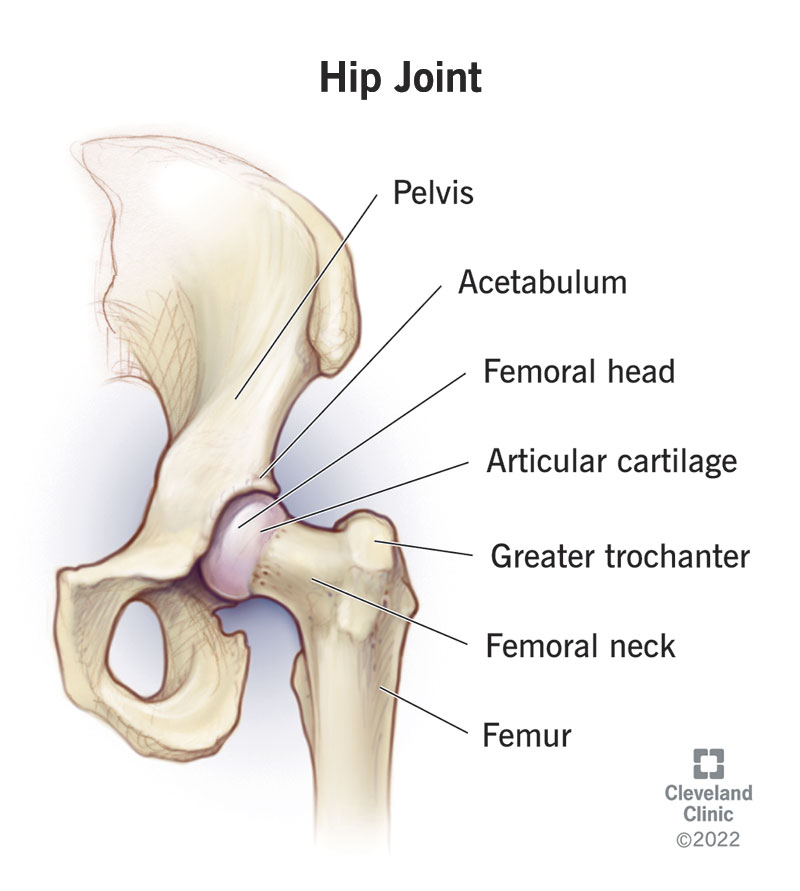
The hip joint is made up of two main bones:
Femur (thigh bone)
the upper bone of the leg
Pelvis (hip bone)
the socket part that holds the head of the femur Photo of Hip Joint with Bone mark
The hip joint is a vital joint in our body because it helps in:

Walking & Running

Standing & Sitting

Climbing Stairs

Jumping & Squatting

Rotating & Balancing the body
Examples of daily activities:

Getting up from a chair or bed

Walking long distances

Using stairs

Driving or cycling

Playing sports
Types of Hip Joint Replacement
Hip joint replacement is a surgical procedure that involves replacing a damaged or diseased hip joint with an artificial implant. It is typically performed to relieve severe hip pain and improve function in individuals with conditions like arthritis or fractures. The surgery aims to reduce pain, increase mobility, restore joint function, and enhance the overall quality of life for the patient.
Hemi replacement arthroplasty (HRA)
This surgery is performed in cases of fracture of the neck of the femur, where only the femoral stem is introduced to replace the head of the femur.
Primary total hip replacement (THR)
This surgery is performed in cases of advanced arthritis of the hip joint, where both the femoral and acetabular sides are replaced with the help of femoral stem, head and acetabular cup.
Complex Primary THR
This surgery is performed in cases of very severe bony or soft tissue deficiencies, and it would require special augments like cage, mesh, augment on acetabular side and long stem, cables, loops on femoral side.
Revision THR
This surgery is performed when the primary surgery fails because of any reason, and requires revision implants.
Bilateral THR
Here, both the hip joints are replaced at a same stage, under a single anesthesia. This is needed in special situation and is carried out only after due medical clearance.
Cemented THR
This is the surgery wherein the implants are fixed with the help of bone cement.
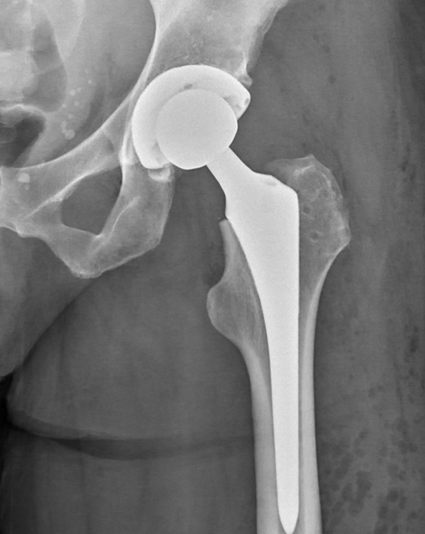
Uncemented THR
In this surgery, the implants are fixed without the bone cement. These are special types of implants that engages with the native bone. The special coating over the implant helps in this process of bony integration
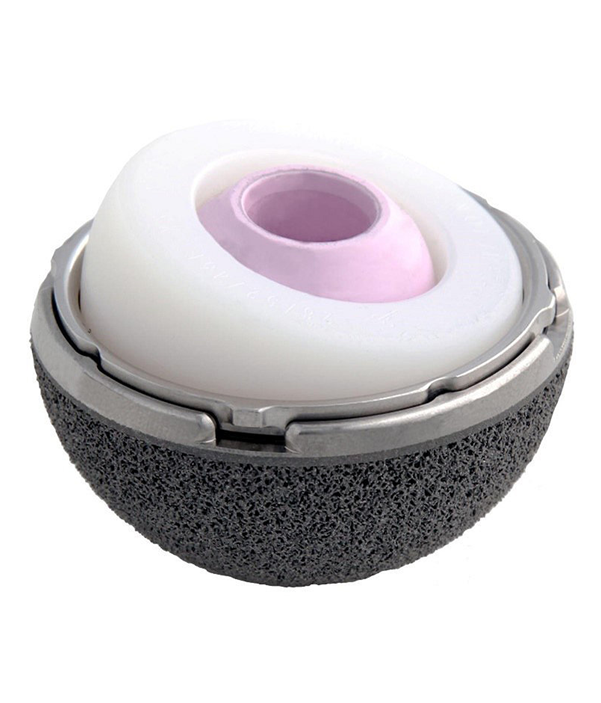
Dual mobility THR
This is the latest in the development of THR. In such surgery, special design of implant is used, which allows greater range of motion without the risk of dislocation.
Benefits of Hip Joint Replacement
Hip joint replacement is a surgical procedure that involves replacing a damaged or diseased hip joint with an artificial implant. It is typically performed to relieve severe hip pain and improve function in individuals with conditions like arthritis or fractures. The surgery aims to reduce pain, increase mobility, restore joint function, and enhance the overall quality of life for the patient.
Increased Independence
With improved mobility and reduced pain, individuals who undergo hip joint replacement surgery often regain independence in performing daily activities.
Pain Relief
If you are suffering from chronic pain in Hip joint then hip joint replacement surgery can be effective in providing relief in chronic hip joint pain that is not alleviated by other treatments.
Improved Mobility
By replacing a damaged hip joint with an artificial implant, hip joint replacement can enhance mobility and increase range of motion, enabling individuals to move more freely.
Better Mental Health & Sleep
Relief from chronic hip pain can have positive impact which can help in improved sleep patterns after hip joint replacement surgery due to reduced discomfort during the night.
Step-by-Step Procedure of Hip Replacement Surgery
Step 1: Initial Consultation and Evaluation
This usually happens several weeks before the scheduled surgery.
Medical History: Dr. Shah will review your medical history, including chronic conditions (heart disease, diabetes, etc.) and current medications.
Physical Examination: Exam to check hip motion, strength, leg length, and overall alignment.
Diagnostic Tests: You will undergo X-rays and sometimes CT or MRI to assess joint damage. Blood tests and other routine tests may be ordered.
Discussion of Options: Dr. Shah will confirm that non-surgical treatments have been tried and will explain the surgery, risks, benefits, and expected recovery.

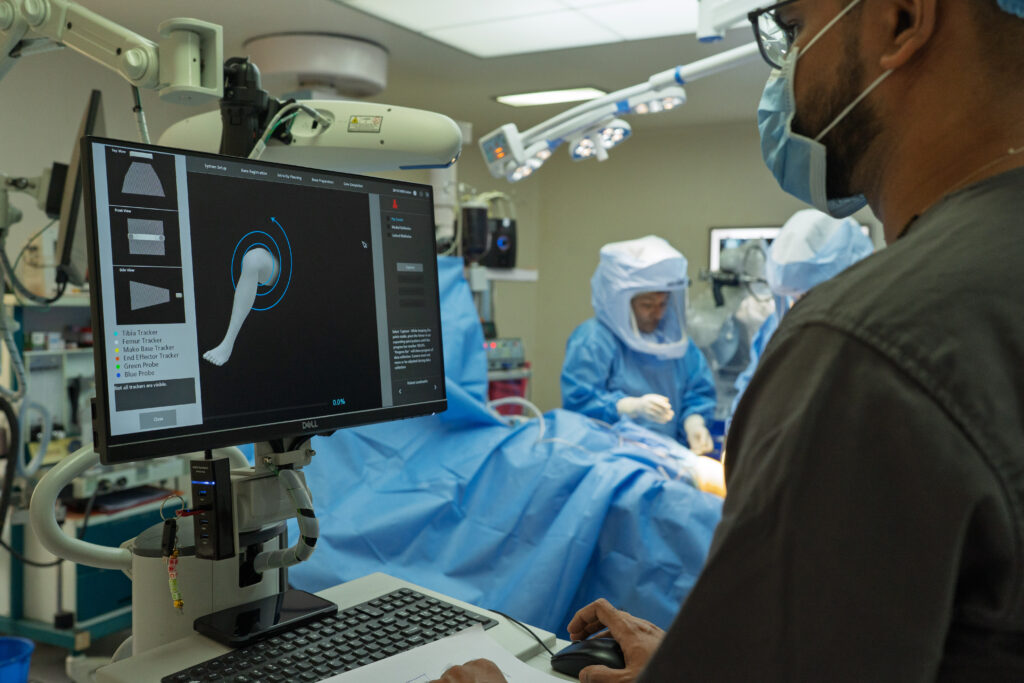
Step 2: Pre-Surgical Preparation
After surgery is scheduled, you will prepare both medically and at home.
Medical Clearance: Your primary doctor will do a pre-op check and tests (EKG, chest X-ray) to ensure fitness for anesthesia and surgery.
Medication Review: Guidance on stopping certain medicines (especially blood thinners) before surgery.
Pre-hab (Physical Therapy): Exercises to strengthen hip and leg muscles before surgery to help recovery.
Home Preparation: Arrange help at home, remove trip hazards, set up a comfortable recovery area with essentials within reach.
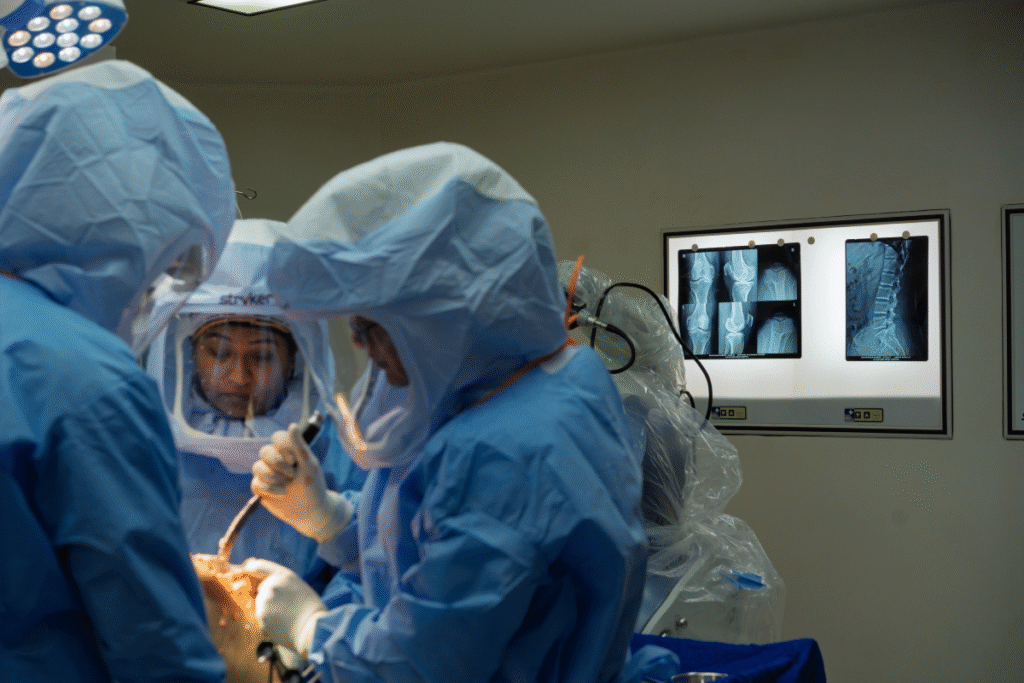
Step 3: The Surgery
On the day of surgery, the operation usually takes about 1 to 2 hours depending on complexity.
Anesthesia: You will receive either general anesthesia (sleep) or regional/spinal anesthesia (numbing from waist down) plus pain control medications.
Incision and Preparation: An incision is made over the hip. Damaged cartilage and bone of the hip joint (femoral head and acetabulum) are removed.
Implant Placement: A metal stem is placed into the thigh bone (femur), a metal or ceramic ball replaces the femoral head, and a new socket (cup) is fixed into the pelvis. A plastic, ceramic, or metal liner is inserted to allow smooth movement.
Closure: The incision is closed with sutures or staples and a sterile dressing is applied.

Step 4: Post-Surgery Recovery (In the Hospital)
Monitoring and Pain Control: You will be moved to recovery where vital signs are monitored and pain is managed with medicines.
Blood Clot Prevention: You will receive blood-thinning medication and be advised on ankle and foot exercises; compression stockings may be used.
Wound Care and Monitoring: Staff will check the surgical site and drains (if any). Instructions for wound care will be provided.
Hospital Discharge: Typically after 1 to 4 days, once you can safely get in/out of bed, walk short distances with assistance, and manage basic self-care.
Why Choose
Dr. Ketan Shah for Hip Replacement Surgery
Dr. Ketan Shah has over 21 years of focused experience and expertise in joint replacement surgery and has successfully performed 2,000+ hip replacement surgeries.
Expertise in cemented, uncemented, ceramic, and revision hip replacements
Precision-led implant positioning with robotic assistance
Thorough diagnosis, planning, and post-operative rehabilitation
Trusted by patients and referred by peers for complex and challenging hip cases
Proven outcomes and personalized treatment protocols
Total Hip Replacement
Frequently Asked Questions
What is a Total Hip Replacement?
A total hip replacement (THR) is a surgical procedure where the damaged or arthritic hip joint is replaced with an artificial implant. The femoral head (ball) and the acetabulum (socket) are replaced with metal, ceramic, or plastic components to restore function and alleviate pain.
Who is a candidate for hip replacement surgery?
Candidates typically suffer from severe hip pain or stiffness due to conditions like osteoarthritis, rheumatoid arthritis, or hip fractures. When non-surgical treatments such as medications, physical therapy, or injections no longer provide relief, and daily activities are significantly impacted, surgery may be considered.
How long does the surgery take?
The procedure usually lasts between 1 to 2 hours. However, the total time spent in the operating room may be longer due to anesthesia administration and post-operative monitoring.
What type of anesthesia is used?
General anesthesia is commonly used, ensuring the patient is asleep and pain-free during the procedure. In some cases, regional anesthesia (spinal or epidural) may be employed, allowing the patient to remain awake but numb from the waist down.
What is the expected recovery time?
Most patients begin walking with assistance on the same day or the day after surgery. Hospital stays typically range from 1 to 3 days. Full recovery, including the resumption of normal activities, can take 3 to 6 months, with continued improvements up to a year.
Will I need physical therapy after surgery?
Yes, physical therapy is crucial for rehabilitation. It usually begins within 24 hours post-surgery and continues for several weeks to months, focusing on strengthening muscles, improving joint mobility, and enhancing overall function.
How long will the hip implant last?
Modern hip implants are designed to last 15 to 20 years or more, depending on factors like age, activity level, weight, and overall health. Regular follow-up appointments are essential to monitor the condition of the implant.
Are there risks associated with hip replacement surgery?
As with any major surgery, there are risks, including:
Infection
Blood clots
Implant dislocation
Nerve or blood vessel injury
Implant wear or loosening over time
Your surgical team will take precautions to minimize these risks.
When can I drive after surgery?
Patients can typically resume driving 4 to 6 weeks post-surgery, provided they are off pain medications, have regained sufficient strength and coordination, and feel confident in their ability to operate a vehicle safely.
What should I avoid during the recovery period?
To ensure proper healing and prevent complications:
Avoid crossing your legs or twisting your hip excessively.
Refrain from bending the hip beyond 90 degrees.
Do not engage in high-impact activities or lifting heavy weights without medical clearance.
Your orthopedic surgeon will provide specific guidelines tailored to your recovery.