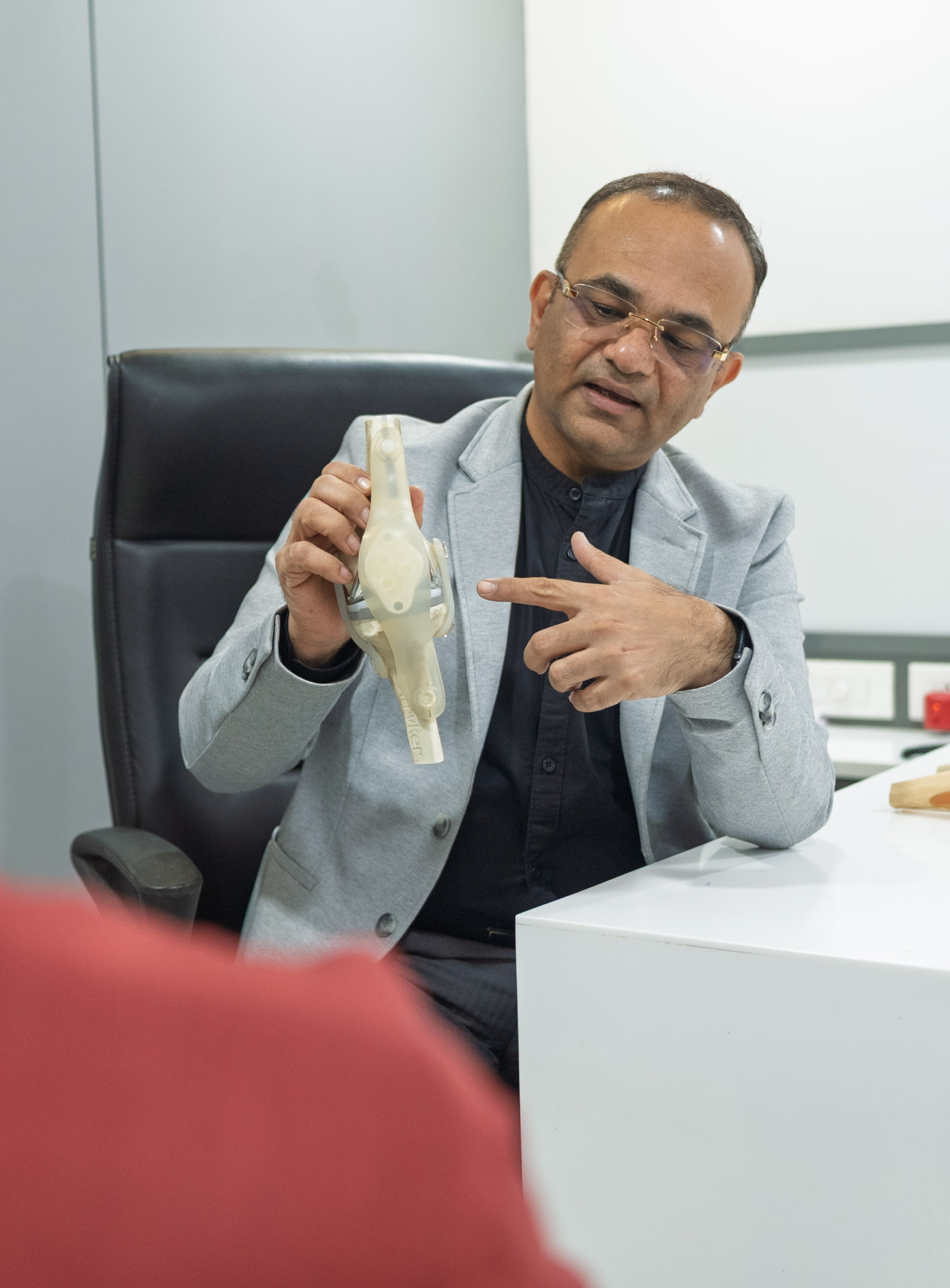




Knee pain can quietly affect every part of daily life — from climbing stairs to walking short distances. When medications, physiotherapy, or lifestyle changes no longer provide relief, knee replacement surgery becomes a proven solution for restoring comfort and independence. This procedure replaces damaged joint surfaces with artificial components designed to mimic natural movement, helping patients regain mobility and confidence.
Today, knee replacement surgery is safer and more advanced than ever before. Modern surgical techniques, improved implant materials, and faster rehabilitation programs allow patients to return to normal routines sooner. Whether caused by arthritis, injury, or age‑related degeneration, chronic knee problems don’t have to define your future. Understanding the process — from diagnosis to recovery — helps you make informed decisions about your health.
This comprehensive guide explains how knee replacement works, who needs it, and what to expect before and after surgery.
Understanding Knee Replacement Surgery
Knee replacement surgery, also known as knee arthroplasty, is a procedure where damaged cartilage and bone are removed and replaced with artificial implants. These implants typically consist of metal and medical‑grade plastic components designed to replicate natural joint motion.
The goal is simple — reduce pain, restore function, and improve overall quality of life. Patients suffering from severe arthritis or joint damage often find that conservative treatments eventually stop working. At that stage, replacement surgery becomes a long‑term solution.
The procedure can be performed as:
- Total knee replacement — entire joint resurfaced
- Partial knee replacement — only damaged section replaced
- Revision surgery — replacement of a worn or failed implant
Surgeons evaluate each patient individually to determine the most suitable approach.
Common Reasons People Need Knee Replacement
Several conditions lead to severe joint deterioration. Recognizing symptoms early helps in seeking timely treatment.
Osteoarthritis
The most common cause. Cartilage wears down over time, causing bone‑on‑bone friction.
Rheumatoid Arthritis
An autoimmune condition that damages joint lining and causes inflammation.
Post‑Traumatic Arthritis
Develops after injuries such as fractures or ligament tears.
Severe Knee Injury
Untreated injuries can lead to permanent joint instability.
Degenerative Joint Disease
Age‑related wear and tear affecting joint function.
Symptoms typically include:
- Persistent pain
- Swelling
- Stiffness
- Limited mobility
- Difficulty walking
When these symptoms interfere with daily life despite treatment, surgery may be recommended.
Types of Knee Replacement Procedures
Understanding available options helps patients discuss informed choices with surgeons.
Total Knee Replacement
The entire joint surface is replaced. This option is most common and suitable for widespread damage.
Partial Knee Replacement
Only the affected portion is replaced. Benefits include:
- Smaller incision
- Faster recovery
- Less tissue disruption
However, not all patients qualify.
Minimally Invasive Surgery
Uses smaller incisions and advanced tools to reduce trauma.
Robotic‑Assisted Knee Replacement
Precision technology improves implant alignment and accuracy.
Each approach has advantages depending on anatomy, age, and severity of joint damage.
Preparing for Knee Replacement Surgery
Preparation ensures smoother recovery and better outcomes.
Medical Evaluation
Doctors assess:
- Overall health
- Blood tests
- Imaging scans
- Heart and lung function
Lifestyle Adjustments
Patients may need to:
- Stop smoking
- Manage weight
- Strengthen muscles through exercise
Home Preparation
Before surgery:
- Arrange support
- Remove tripping hazards
- Set up comfortable resting space
Being proactive reduces complications and accelerates healing.
Step‑by‑Step Overview of the Surgical Procedure
Although techniques vary, the basic process follows structured steps.
- Anesthesia administered
- Incision made around knee
- Damaged bone/cartilage removed
- Artificial implant positioned
- Joint tested for movement
- Incision closed and bandaged
The surgery usually takes 1–2 hours. Most patients begin walking with assistance within a day.
Recovery Timeline and Rehabilitation
Recovery plays a vital role in long‑term success.
First Few Days
- Walking with support
- Pain management
- Gentle exercises
Weeks 1–6
- Physical therapy
- Increasing mobility
- Reduced swelling
Months 2–3
- Improved strength
- Daily activity resumption
Full Recovery
Typically achieved within 6–12 months depending on commitment to therapy.
Consistency in rehabilitation exercises is key to regaining function.
Benefits of Knee Replacement Surgery
The procedure provides measurable improvements:
- Significant pain relief
- Better mobility
- Enhanced quality of life
- Ability to return to hobbies
- Improved sleep
Most implants last 15–25 years, making it a durable solution for chronic pain sufferers.
Risks and Potential Complications
Like any surgery, knee replacement carries risks:
- Infection
- Blood clots
- Implant wear
- Nerve damage
- Stiffness
However, complications are relatively rare. Proper post‑operative care greatly reduces likelihood.
Patients should follow medical advice strictly for best outcomes.
Cost Considerations and Financial Planning
Costs vary based on:
- Hospital type
- Technology used
- Surgeon expertise
- Rehabilitation requirements
Expenses typically include:
|
Cost Component |
Description |
|
Surgical Fees |
Surgeon and operating room |
|
Hospital Stay |
Room and care services |
|
Implants |
Artificial joint components |
|
Medication |
Pain relief and recovery drugs |
|
Therapy |
Rehabilitation sessions |
Insurance coverage often helps offset expenses. Consulting providers beforehand is recommended.
Choosing the Right Surgeon and Facility
Selecting experienced professionals significantly impacts results.
Look for:
- Board certification
- Proven track record
- Advanced surgical technology
- Transparent communication
- Positive patient reviews
Trust and expertise ensure confidence throughout the journey.
Lifestyle After Knee Replacement
Life after surgery often improves dramatically. Patients are encouraged to:
- Maintain healthy weight
- Stay active
- Avoid high‑impact activities
- Attend follow‑ups
Suitable activities include:
- Walking
- Cycling
- Swimming
- Yoga
A balanced lifestyle protects implants and supports long‑term mobility.
Innovations Transforming Knee Replacement
Medical technology continues evolving:
- Robotic precision tools
- 3D imaging planning
- Customized implants
- Faster recovery protocols
These advancements enhance accuracy and reduce complications.
Future developments promise even better patient experiences.
Frequently Asked Questions
1. How long does knee replacement surgery last?
Typically 1–2 hours, depending on complexity.
2. Is knee replacement painful?
Post‑surgery discomfort is expected but manageable with medication.
3. How long do implants last?
Most last 15–25 years with proper care.
4. When can I walk again?
Usually within 24 hours with assistance.
5. Can both knees be replaced at once?
Yes, in some cases, based on health status.
6. Will I regain full mobility?
Most patients experience major improvement, though flexibility varies.
Conclusion
Knee replacement surgery stands as one of the most successful orthopedic procedures available today. For individuals living with persistent pain and limited mobility, it offers a path toward renewed independence and comfort. From advanced surgical techniques to structured rehabilitation, every stage is designed to restore natural movement and improve daily life.
Making the decision to undergo surgery requires understanding benefits, risks, and expectations. Consulting qualified professionals, preparing thoroughly, and committing to recovery ensures optimal results. With modern medical progress and patient‑centered care, knee replacement is not just a treatment — it’s a gateway to reclaiming an active and fulfilling lifestyle.