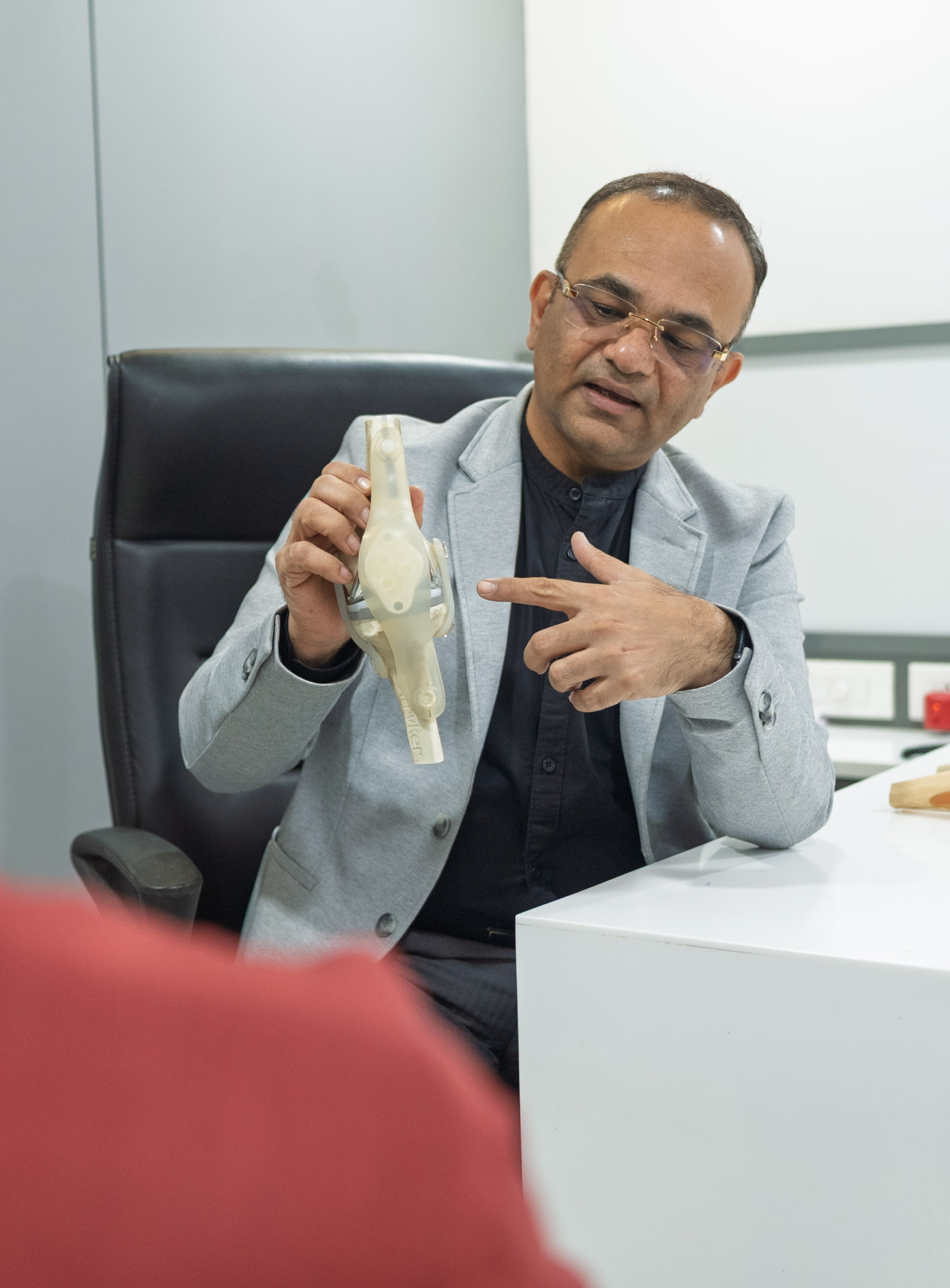




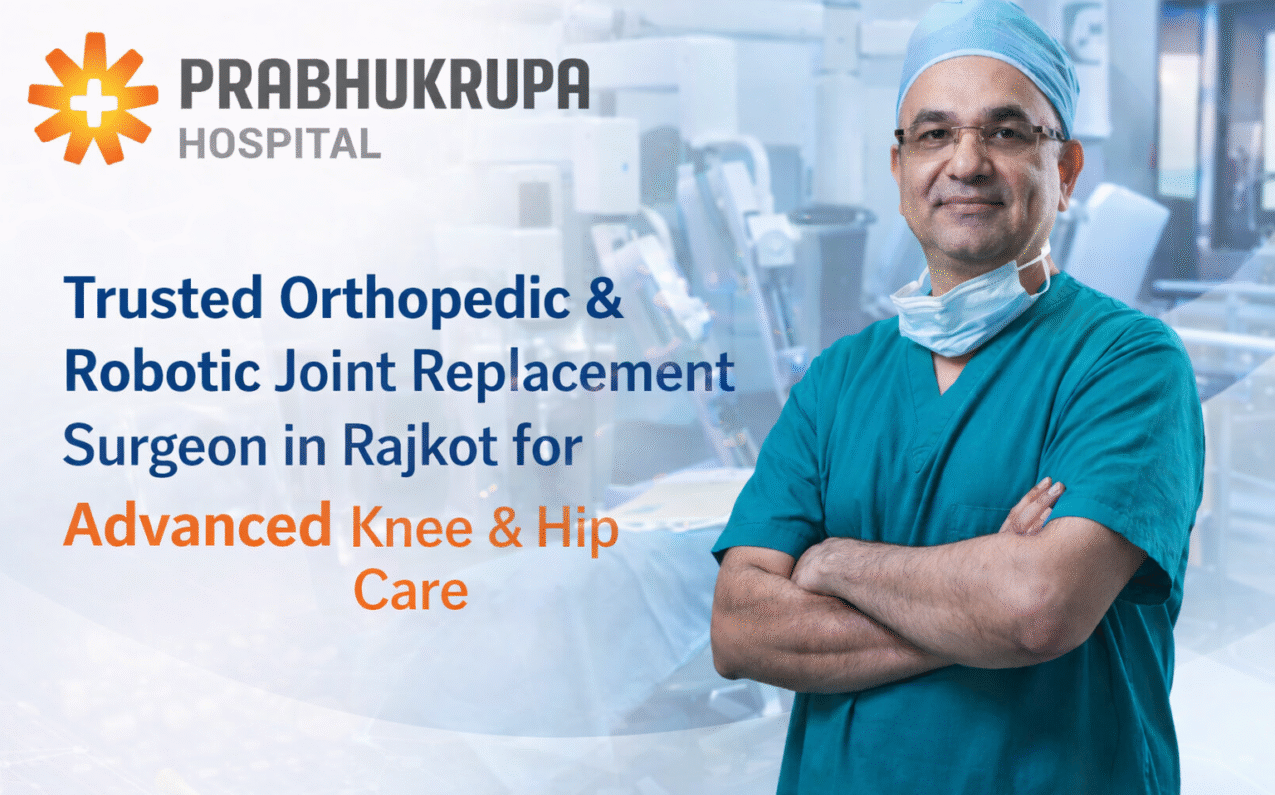
Joint pain and mobility issues can affect every part of daily life — from walking comfortably to enjoying simple activities. As modern healthcare evolves, patients are no longer limited to traditional surgical approaches. Today, advanced orthopedic treatments and robotic-assisted joint replacement are helping people recover faster and return to active lifestyles with confidence.
For individuals seeking reliable orthopedic care in Rajkot, finding a trusted surgeon who specializes in advanced knee and hip solutions can make a life-changing difference. Expertise, precision technology, and patient-centered care all contribute to better outcomes and improved long-term mobility.
This article explores orthopedic and robotic joint replacement care, its benefits, available treatments, and what patients should look for when choosing a specialist.
Understanding Orthopedic Care and Its Importance
Orthopedics is a specialized field of medicine that focuses on diagnosing, treating, and preventing conditions related to bones, joints, ligaments, tendons, and muscles. The musculoskeletal system forms the foundation of physical movement, and even minor issues can disrupt daily routines and quality of life.
Orthopedic care goes beyond treating fractures or injuries. It also addresses chronic conditions such as arthritis, degenerative joint diseases, sports injuries, and mobility limitations. Early intervention, proper diagnosis, and advanced treatment methods help reduce pain and restore function.
Common Conditions Treated by Orthopedic Specialists
- Osteoarthritis and rheumatoid arthritis
- Knee ligament injuries
- Hip joint degeneration
- Bone fractures and trauma
- Tendon and ligament tears
- Sports-related injuries
- Postural and spine-related issues
Effective orthopedic care focuses on both non-surgical and surgical solutions. While physiotherapy and medication often serve as first-line treatments, surgery becomes necessary when conservative approaches no longer deliver results.
The Rise of Robotic Joint Replacement Technology
Medical innovation has significantly transformed orthopedic surgery. Robotic-assisted joint replacement represents one of the most impactful advancements in recent years. This technology enhances surgical accuracy, enabling surgeons to plan and perform procedures with exceptional precision.
What Is Robotic Joint Replacement?
Robotic joint replacement involves using computer-guided systems to assist surgeons during knee or hip replacement procedures. The technology allows detailed pre-surgical mapping and real-time adjustments, ensuring optimal implant placement and alignment.
Key Advantages
- Greater surgical precision
- Reduced tissue damage
- Shorter recovery time
- Lower risk of complications
- Improved implant longevity
- Enhanced patient outcomes
Robotic assistance does not replace the surgeon — instead, it empowers them with advanced tools that support decision-making and execution.
Advanced Knee Care Solutions
Knee pain can develop from aging, injury, obesity, or repetitive strain. Because the knee joint carries significant body weight, it is particularly vulnerable to wear and tear.
Non-Surgical Knee Treatments
- Physical therapy programs
- Anti-inflammatory medications
- Lifestyle adjustments
- Support braces and injections
These methods aim to relieve discomfort and maintain joint function without surgery.
Surgical Knee Treatments
When non-invasive methods fail, surgical intervention may be required. Options include:
- Arthroscopy
- Partial knee replacement
- Total knee replacement
- Robotic-assisted knee surgery
Advanced surgical methods focus on restoring alignment, stability, and mobility while minimizing downtime.
Comprehensive Hip Care Solutions
Hip problems can lead to persistent pain, stiffness, and difficulty performing routine movements. Left untreated, these issues may worsen and restrict independence.
Causes of Hip Disorders
- Arthritis
- Trauma or accidents
- Congenital abnormalities
- Age-related degeneration
Treatment Options
- Physiotherapy
- Pain management techniques
- Minimally invasive surgery
- Robotic hip replacement
By addressing root causes and tailoring treatment plans, orthopedic specialists help patients regain confidence in movement.
Why Expertise Matters in Joint Replacement Surgery
Selecting a trusted surgeon like Dr. Ketan Shah plays a vital role in achieving positive outcomes. Experience, technical skill, and patient communication significantly influence recovery success.
Qualities to Look For
- Proven clinical expertise
- Familiarity with robotic technology
- Comprehensive consultation process
- Transparent patient education
- Personalized treatment planning
A specialist who prioritizes patient understanding and comfort ensures smoother preparation and recovery.
The Patient Journey: From Consultation to Recovery
Orthopedic treatment follows a structured path designed to maximize safety and effectiveness.
1. Initial Consultation
Medical history review, physical examination, and diagnostic imaging help determine the problem and possible solutions.
2. Treatment Planning
Patients receive tailored recommendations — ranging from therapy to surgical procedures.
3. Surgical Phase
If surgery is necessary, robotic systems may assist in achieving precise execution.
4. Rehabilitation
Post-operative therapy supports healing, strength rebuilding, and mobility restoration.
5. Long-Term Monitoring
Follow-ups ensure implants and joints function optimally over time.
Benefits of Choosing Advanced Orthopedic Care in Modern Clinics
Contemporary healthcare facilities offer improved patient experiences through advanced infrastructure and personalized services.
Patient-Centered Advantages
- Faster diagnosis and treatment
- Access to innovative technology
- Multidisciplinary care teams
- Comfortable recovery environments
- Continuous patient education
Such benefits contribute to overall satisfaction and improved clinical results.
Preventive Measures for Joint Health
Prevention remains a cornerstone of orthopedic wellness. Maintaining joint health reduces the likelihood of surgical intervention.
Lifestyle Recommendations
- Regular low-impact exercise
- Balanced nutrition
- Weight management
- Proper posture habits
- Avoiding excessive strain
Routine Check-Ups
Early evaluation can detect minor problems before they escalate.
Technology and Innovation Shaping Orthopedic Futures
Orthopedic medicine continues evolving through artificial intelligence, imaging advancements, and data-driven treatment planning. Robotic surgery marks only the beginning.
Emerging Trends
- Personalized implants
- Enhanced surgical navigation
- Predictive rehabilitation programs
- Virtual patient monitoring
These developments promise even better outcomes in the coming years.
Frequently Asked Questions
1. Who should consider joint replacement surgery?
Patients experiencing persistent pain, mobility limitations, or reduced quality of life despite non-surgical treatments may benefit from surgical consultation.
2. Is robotic surgery safe?
Yes. Robotic-assisted procedures enhance accuracy and are performed under expert supervision.
3. How long is recovery after joint replacement?
Recovery varies but often includes weeks of rehabilitation followed by gradual activity resumption.
4. Are implants permanent?
Modern implants are designed for long-term use, though lifespan depends on patient activity and care.
5. Can younger patients undergo joint replacement?
Yes, depending on condition severity and medical advice.
6. How can joint health be preserved after treatment?
Following therapy plans, maintaining fitness, and attending follow-ups ensure longevity.