Have a question




Know Your Knee Joint
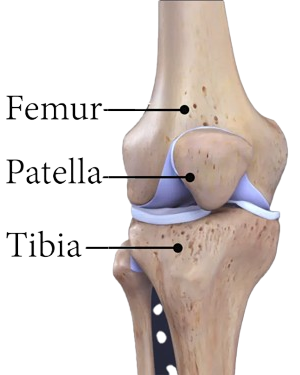
The knee joint is one of the most important joints in the human body, as it bears most of the body’s weight. The knee joint is made up of three main bones:
Femur (thigh bone)
Tibia (shin bone)
Patella (kneecap)
The knee joint is a vital part of our body because it serves many functions such as:

Bending & Straightening

Weight Bearing

Providing stability

Shock absorption

Allowing Rotation
Examples of daily activities:

Walking & Running

Climbing stairs

Standing up

Jumping & Squatting

Cycling and swimming
Types of Knee Joint Replacement
The primary types of knee replacement surgery are total, partial, and revision, with additional variations based on surgical technique and technology. The best option is determined by the location and extent of the knee damage, your overall health, and your activity level. Knee joint replacement can be of the following types:
Total Knee Joint Replacement (TKR)
A TKR is the most common type of knee replacement surgery, typically performed when arthritis affects multiple parts of the knee.
Partial Knee Replacement
Also known as unicompartmental knee replacement, this procedure is less invasive than a TKR and is for patients with arthritis in only one compartment of the knee.
Revision Knee Replacement
This is a more complex surgery performed to replace an implant from a previous knee replacement.
Robotic Knee Joint Replacement
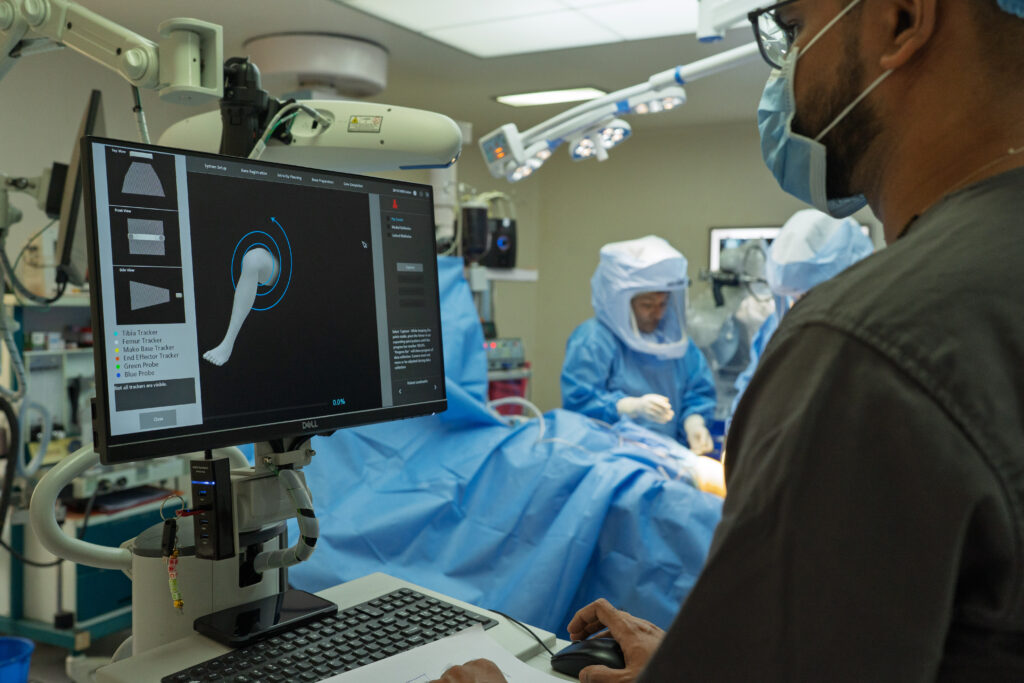
This advanced method uses robotic technology and 3D imaging to assist the surgeon. The robotic arm guides the surgeon with increased precision to ensure accurate implant placement, which can result in better alignment and faster recovery times.
Why Knee Replacement Is Required
Hip joint replacement is a surgical procedure that involves replacing a damaged or diseased hip joint with an artificial implant. It is typically performed to relieve severe hip pain and improve function in individuals with conditions like arthritis or fractures. The surgery aims to reduce pain, increase mobility, restore joint function, and enhance the overall quality of life for the patient.
Difficulty Walking:
Severe knee pain and stiffness can make it difficult and painful to walk, limiting a person’s ability to run, go shopping, or even move around their own home.
Difficulty in Climbing Stairs:
The act of bending and bearing weight on the knee can be painful for those with advanced joint problems, making climbing stairs nearly impossible.
Pain While Sitting and Standing:
Even simple movements, like getting in and out of a chair or bed, can become a major and painful challenge.
Limited Physical Activity
Reduced mobility can lead to a more sedentary lifestyle, which may cause muscle weakness, weight gain, and an increased risk of other health problems.
Chronic Pain:
When knee pain becomes so severe that it persists even while resting, it can interfere with sleep and affect normal social and work activities.
Psychological Distress:
Chronic pain and the loss of independence can have a significant impact on a person’s mental health, contributing to feelings of anxiety or depression.
Benefits of Knee Replacement
Total knee replacement is a surgical procedure that involves replacing damaged or worn-out knee joints with artificial implants. It is commonly performed to alleviate severe knee pain and restore mobility in individuals with conditions like arthritis or injury. The surgery aims to reduce pain, improve joint function, enhance mobility, and ultimately improve the quality of life for the patient.
Pain Relief
Total knee replacement can significantly reduce or eliminate knee pain, allowing individuals to move more comfortably and engage in daily activities without discomfort.
Improved Mobility
By replacing damaged knee joints, TKR surgery can restore mobility and range of motion, enabling individuals to walk, climb stairs, and participate in physical activities more easily.
Better Quality of Life
With reduced pain and improved mobility, individuals who undergo TKR often experience an enhanced quality of life, as they can resume activities they enjoy and maintain independence.
Long-Term Durability
Total knee replacements are designed to be durable and long-lasting, providing relief from knee pain and functional improvements for many years after the surgery.
Step-by-Step Procedure of Knee Replacement Surgery
Step 1: Initial Consultation and Evaluation
This phase typically occurs several weeks before the scheduled surgery.
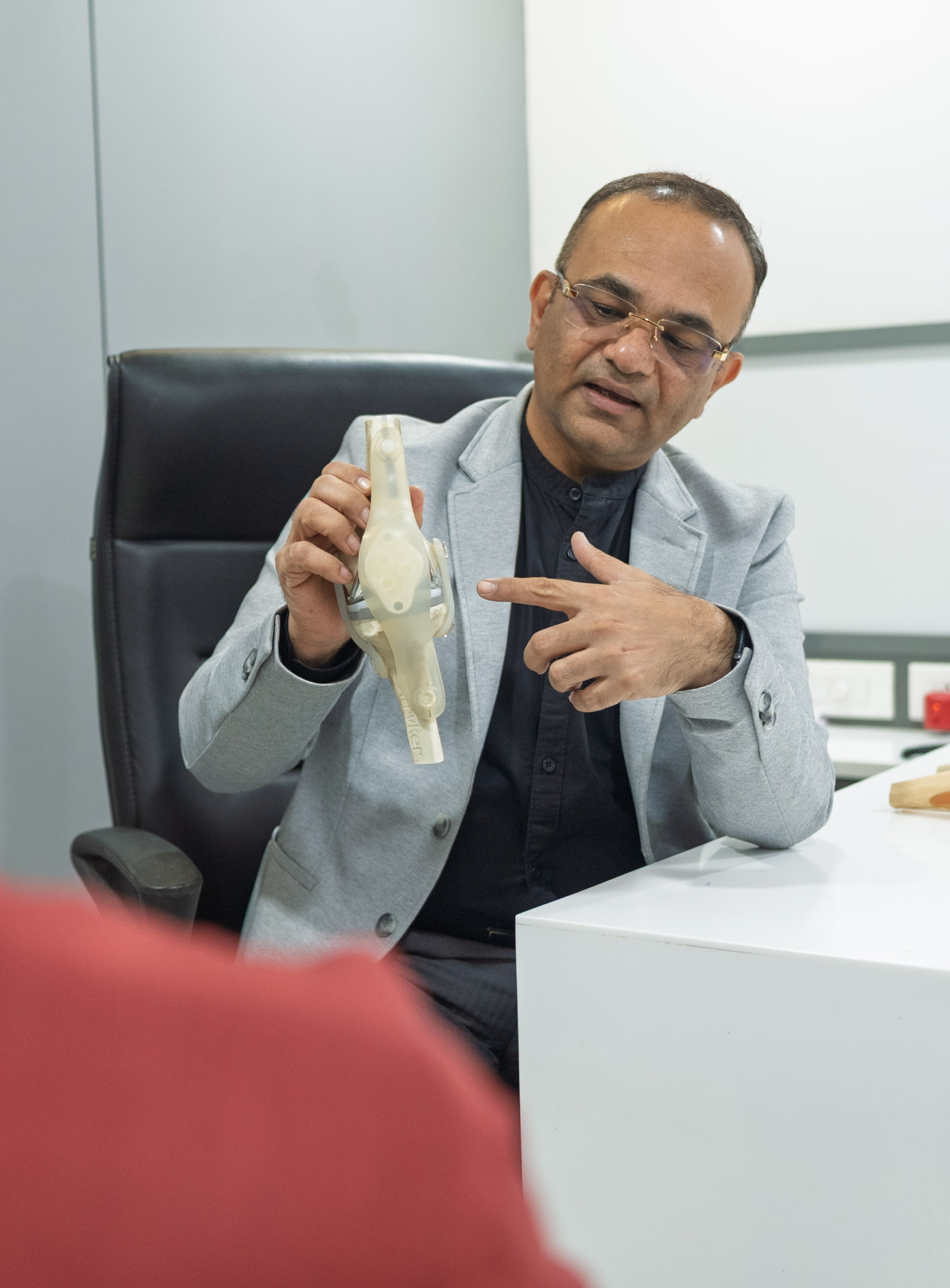
Medical History: Dr. Shah will review your medical history, including any chronic conditions like heart disease or diabetes, and assess the extent of your knee pain.
Physical Examination: A physical exam is conducted to evaluate your knee’s motion, stability, and strength, as well as your general alignment.
Diagnostic Tests: To determine the extent of the damage, you will undergo tests such as X-rays, blood tests, and sometimes advanced imaging like an MRI.
Discussion of Options: Dr. Shah will confirm that non-surgical options have been exhausted and discuss the details of the procedure, including potential risks and the expected recovery.

Step 2: Pre-Surgical Preparation
Once surgery is scheduled, you will need to prepare both physically and for your home recovery.
Medical Clearance: Your primary care doctor will perform a physical exam and other tests (EKG, chest X-ray) to ensure you are healthy enough for surgery and anesthesia.
Medication Review: You will be advised on which medications to stop taking, particularly blood thinners, in the days leading up to the procedure.
Physical Therapy (Pre-hab): Your physical therapist may give you exercises to strengthen the muscles around the knee beforehand, which can accelerate recovery.
Step 3: The Surgery
On the day of the procedure, the surgery itself usually takes about 1 to 2 hours.
Anesthesia: You will receive either general anesthesia (sleep) or regional/spinal anesthesia (numbing from waist down) plus pain control medications.
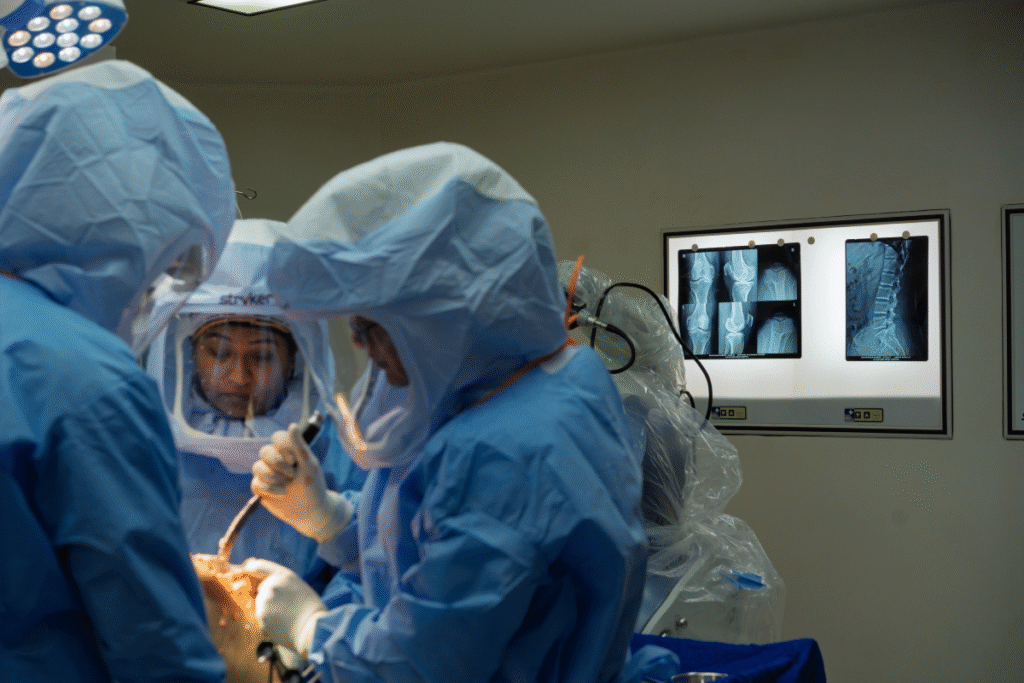
Incision and Preparation: An incision is made over the knee, and the damaged cartilage and bone are removed from the surface of the thigh bone (femur) and shin bone (tibia).
Implant Placement: The artificial joint components—typically a metal cap for the femur and a metal plate for the tibia—are secured, and a plastic spacer is inserted between them to provide a smooth gliding surface.
Closure: The surgeon may resurface the back of your kneecap, if necessary, before closing the incision with staples or stitches and applying a sterile dressing.

Step 4: Post-Surgery Recovery (In the Hospital)
Monitoring and Pain Control: You will be moved to a recovery room where your vital signs are monitored. Your pain will be managed with medication to keep you comfortable.
Early Mobilization: With the help of a physical therapist, you will be encouraged to stand and take your first steps with a walker or crutches just hours after surgery.
Blood Clot Prevention: To prevent blood clots, you will be given blood-thinning medication and fitted with compression stockings. Foot and ankle movement is also encouraged.
Hospital Discharge: After 1 to 3 days, once you can safely get in and out of bed, walk short distances with an assistive device, and manage stairs, you will be discharged home.
Why Choose
Dr. Ketan Shah for Total Knee Replacement
Dr. Ketan Shah has over 21 years of focused experience and expertise in knee replacement surgery and has successfully performed 8,000+ surgeries.
First robotic-assisted knee surgeon in Saurashtra
Personalized approach using MAKO Robotic 3D planning
Partnered with Stryker USA for best-in-class implants
Quick recovery, low pain, and long-term mobility
Expert team for anesthesia, rehabilitation, and patient support
Two dedicated Class 100 modular operation theaters – best-in-class OT infrastructure in Rajkot
Complete care – from prehab to surgery to rehab, all under one roof
Total Knee Replacement
Frequently Asked Questions
Who needs a total knee replacement?
Total knee replacement is recommended for patients with severe knee pain, stiffness, or deformity caused by arthritis, injury, or joint degeneration when medicines, physiotherapy, or injections no longer provide relief.
What is the right age for knee replacement surgery?
There is no fixed age. Knee replacement is advised based on pain severity, loss of function, and quality of life—not age alone. Many patients undergo surgery between 50–75 years, but younger or older patients may also benefit.
How long does a total knee replacement surgery take?
The surgery usually takes 1 to 2 hours, depending on the complexity of the condition and whether robotic assistance is used.
Is knee replacement surgery painful?
Pain is well controlled with modern anesthesia, advanced surgical techniques, and post-operative pain management protocols. Most patients experience significant pain relief within weeks after surgery.
How long is the hospital stay after knee replacement?
Most patients stay in the hospital for 1 to 3 days, depending on recovery speed, mobility, and overall health.
How long does it take to walk after surgery?
Patients are encouraged to stand and walk with support within 24 hours after surgery. Most can walk independently with a walker or stick within a few weeks.
How long does a knee replacement implant last?
Modern knee implants are highly durable and typically last 15–25 years, especially with proper care, regular follow-ups, and a healthy lifestyle.
What activities can I do after knee replacement?
After recovery, patients can comfortably perform daily activities like walking, climbing stairs, cycling, swimming, and light exercise. High-impact sports like running or jumping should be avoided.
Is robotic knee replacement better than traditional surgery?
Robotic-assisted knee replacement offers higher precision, better alignment, less tissue damage, faster recovery, and improved long-term outcomes compared to conventional methods.
What is the recovery time after total knee replacement?
Most patients resume normal daily activities within 4–6 weeks, while full recovery and strength improvement may take 3–6 months with regular physiotherapy.