Have a question




Do You Know MAKOPLASTY?
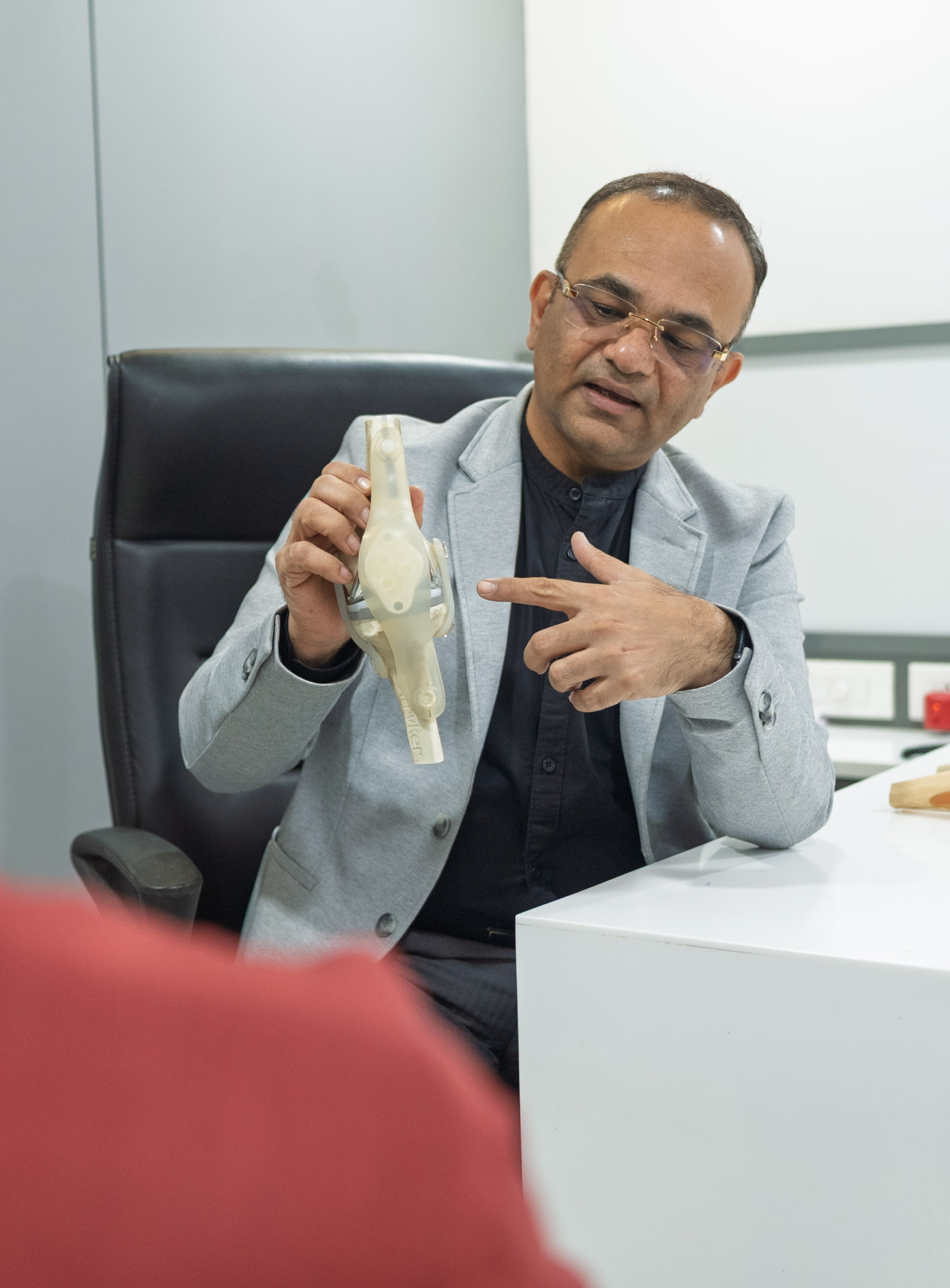
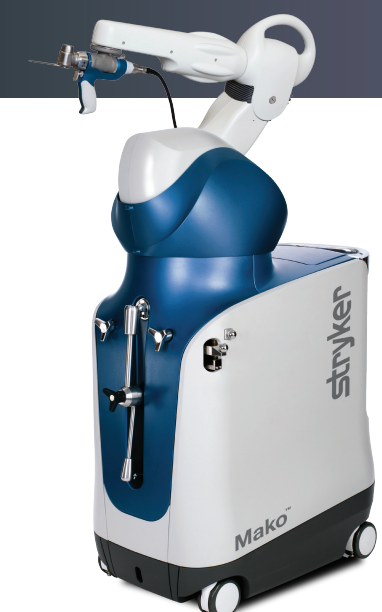
MAKOPLASTY is the term coined by us to describe the use of the Mako SmartRobotics™ System in arthroplasty (joint replacement surgery). Carrying the beacon forward and maintaining the tradition of being a pioneer and front-runner, Prabhukrupa Hospital is yet again the first and only hospital in the entire Saurashtra and Kutch region to have introduced this latest high-end Mako SmartRobotics™ System for delivering precision and perfection in partial knee, total knee, and total hip joint replacement surgeries.
The introduction of Mako SmartRobotics™ has completely changed the way orthopedic surgeries are performed in terms of surgical accuracy and innovation. Mako, a revolutionary device in the medical field, combines robotic technology with surgical expertise, thereby improving the precision and effectiveness of surgery—especially in joint replacements. With its potential to benefit both patients and surgeons, it marks a transformative advancement in joint replacement practices and overall patient care.
Why Choose Robotic Joint Replacement?
The main reason to choose robotic joint replacement is for enhanced precision and a more personalized surgical plan, which can lead to better outcomes, faster recovery, and a longer-lasting implant. While the surgeon remains in complete control, the robotic technology acts as a high-tech tool to assist with planning and execution.
Benefits of Robotic-Assisted Surgery
Enhanced Precision and Accuracy
3D Surgical Planning
Before the operation, a detailed 3D virtual model of your joint is created using CT scans. The surgeon uses this model to plan the exact implant size, position, and alignment customized to your unique anatomy.
Millimeter-Level Accuracy
During the procedure, the robotic arm helps the surgeon make exceptionally precise bone cuts and guides the placement of the implants—often to within a fraction of a millimeter. This level of accuracy is difficult to achieve manually and is crucial for the joint’s function and longevity.
Less Tissue Damage
Minimally Invasive
Robotic surgery often involves smaller incisions and less trauma to the surrounding ligaments and muscles.
Preservation of Healthy Tissue
The robotic system helps the surgeon remove only the damaged parts of the bone while preserving as much healthy bone and soft tissue as possible. This reduces blood loss and post-operative pain.
Faster Recovery

Reduced Pain and Swelling
Due to minimal tissue trauma, patients often experience less pain and swelling after robotic surgery.

Quicker Mobilization
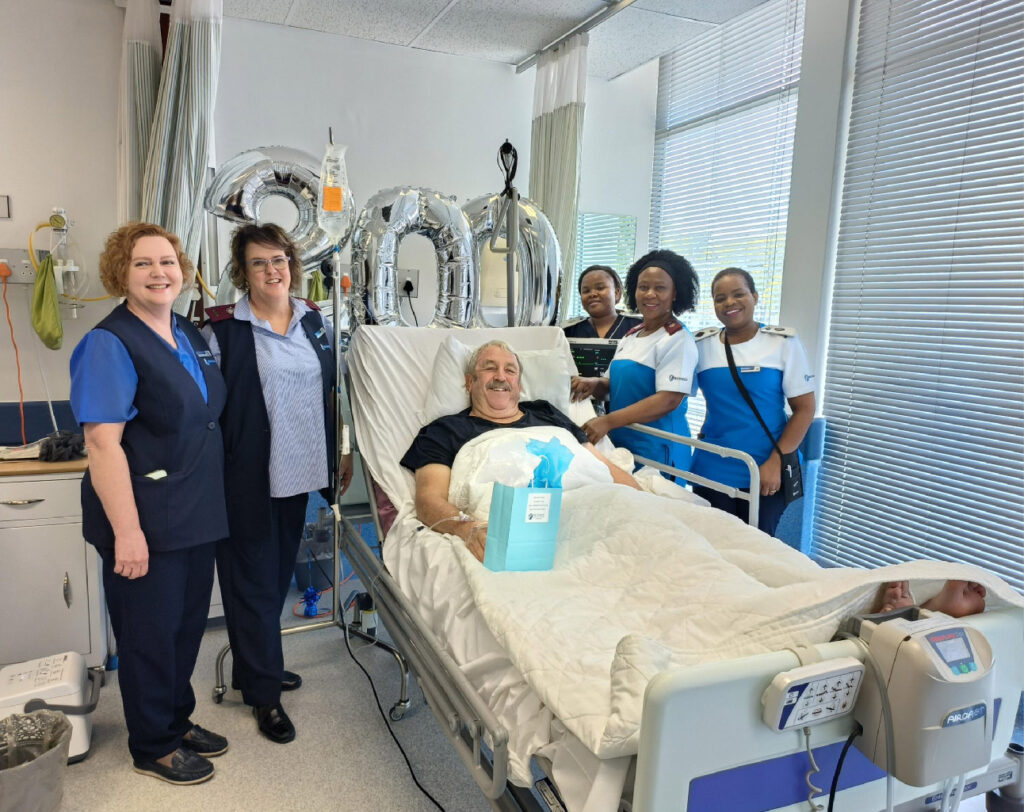
Many patients can get up and walk with assistance much sooner after robotic-assisted surgery, sometimes within hours of the procedure.
Shorter Hospital Stay
The faster recovery often allows for a shorter stay in the hospital.
Improved Long-Term Outcomes
Increased Implant Longevity:
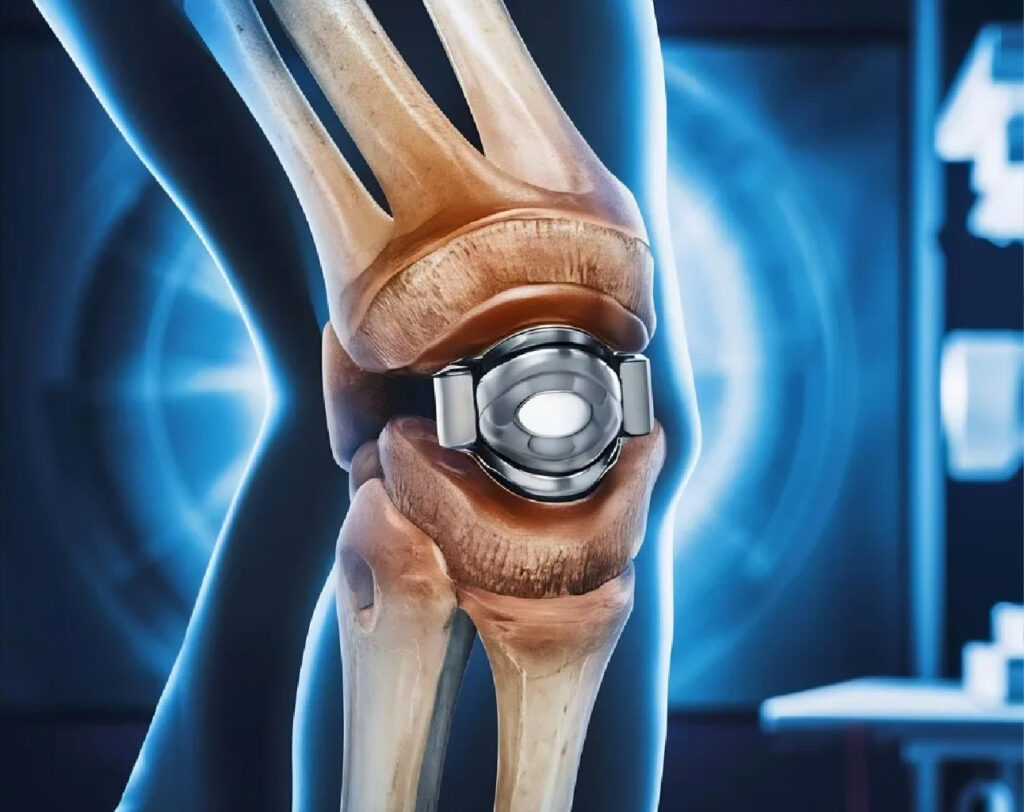
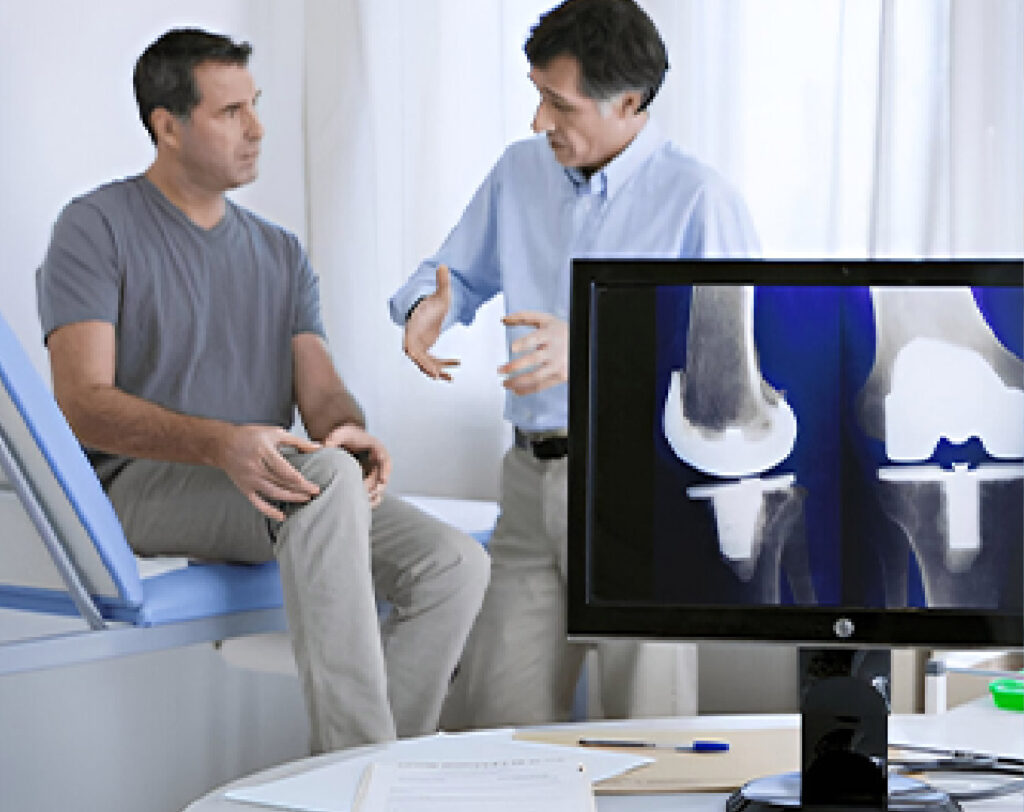
The precise alignment and positioning of the implant with robotic assistance reduce wear and tear over time. This can potentially extend the life of the joint replacement and lower the need for future revision surgery.
More Natural Feel:
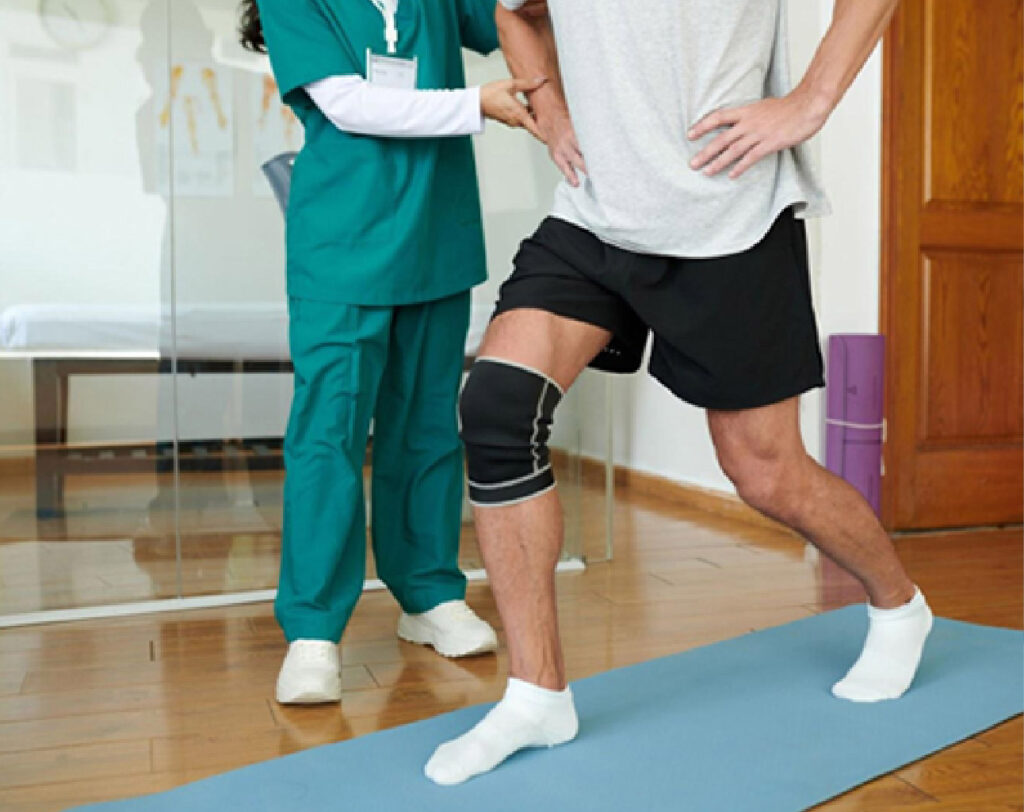
When the implant is perfectly aligned and balanced with the surrounding soft tissues, the new joint often feels more natural to the patient.
Consistent Results
Robotic systems help standardize the surgical process, leading to more predictable and consistent outcomes for patients.
Why Choose Prabhukrupa Hospital and Dr. Ketan Shah for
Robotic Joint Replacement
Why choose us for knee and hip replacement surgery with the Mako SmartRobotics™ System?
Prabhukrupa Hospital, Rajkot stands out as the premier choice for Mako SmartRobotics™ System–assisted hip and knee replacement surgeries.
We are equipped with technologically advanced facilities and the world’s finest robotic equipment. We also offer the latest and top-quality knee and hip implants, specifically designed to meet the individual requirements of each patient.
About Dr. Ketan Shah
Dr. Ketan Shah has 21+ years of focused experience in joint replacement surgeries.
He has successfully performed 8,000+ standard joint replacement surgeries and over 250+ robotic joint replacement surgeries.
He is the pioneer and the first surgeon to introduce world-class robotic joint replacement technology in Saurashtra, setting a new benchmark in precision and patient outcomes.
Together, Dr. Ketan Shah and Prabhukrupa Hospital combine experience, innovation, and advanced robotic technology to ensure precision-driven surgery, faster recovery, and long-lasting results for every patient.
Features of Mako SmartRobotics™ System
3D Modelling and Planning
Mako utilizes high-resolution CT scan imaging to generate a 3D model of the patient’s anatomy. We can then plan and simulate the procedure with remarkable detail and accuracy even before entering the operating room.
Robotic Arm Assistance
The robotic arm aids in executing the pre-planned surgical actions with a level of precision that is difficult to achieve through traditional or conventional methods.
Real-Time Guidance
Mako provides real-time data and feedback throughout the surgery, allowing for adjustments and ensuring that the planned procedure aligns with the actual condition. This enhances precision, perfection, and accuracy, which ultimately guarantees the best outcome.
Least Invasive
Mako facilitates minimally invasive surgery, resulting in smaller incisions, reduced soft tissue trauma, preservation of ligaments, minimal blood loss, reduced scarring, and quicker recovery times for patients.
Manual Vs Robotic Joint Replacement
Key Point
Manual Joint Replacement
Robotic Joint Replacement
(Mako SmartRobotics™)
(Mako SmartRobotics™)
Surgical Planning
Based on 2D X-rays and surgeon’s estimation.
3D CT scan with personalized virtual planning.
Precision
Relies on surgeon’s experience.
Millimeter-level robotic precision.
Implant Alignment
May vary case to case.
Highly accurate and consistent alignment.
Soft Tissue Handling
Higher chance of tissue damage.
Minimal trauma, tissue preservation.
Blood Loss
Moderate blood loss.
Significantly reduced blood loss.
Pain & Recovery
More pain, longer recovery.
Less pain, faster mobilization.
Implant Longevity
Higher wear risk.
Longer implant life.
Personalization
Standard approach.
Customized to patient anatomy.
Complex Cases
More challenging.
Ideal for complex & revision cases.
Surgical Outcome
Variable outcomes.
Highly predictable & superior results.
Step-by-Step Guide for Robotic Joint Replacement
Step 1: Initial Consultation & Evaluation
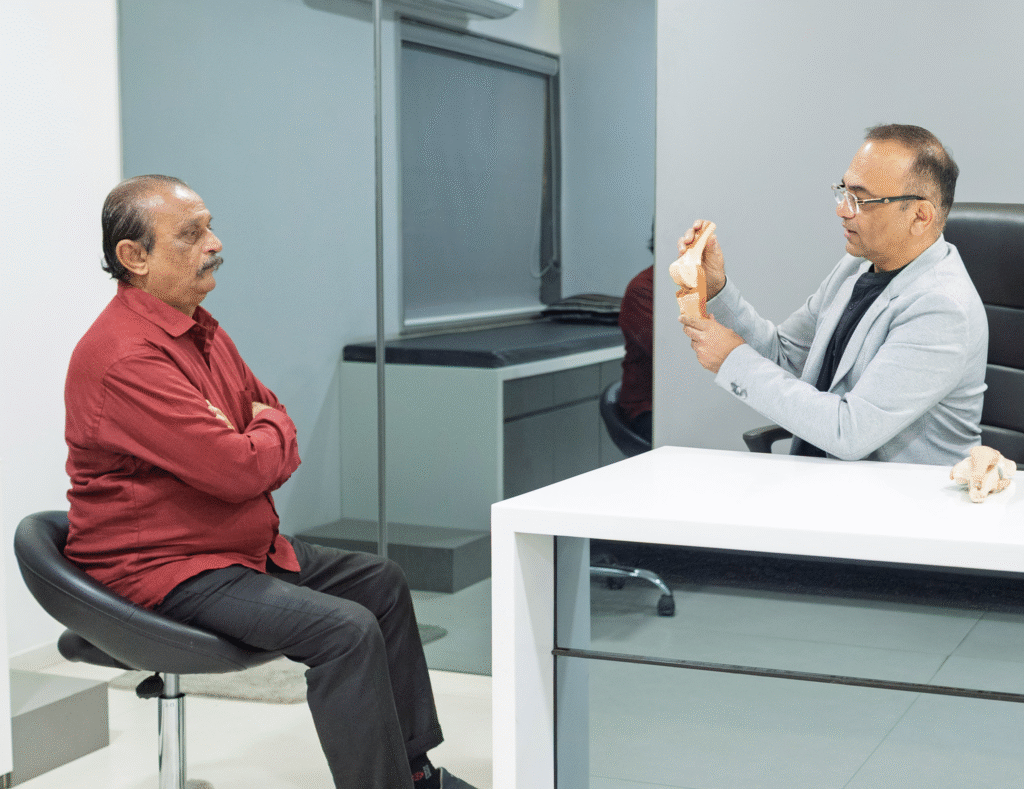
Meet Dr. Ketan Shah to discuss symptoms, pain, and limits in daily activities.
Review medical history and current medications.
Physical exam to assess joint motion, strength, deformity, and gait.
Basic imaging (X-rays) to start assessment.
Discuss non-surgical options tried and confirm suitability for robotic joint replacement.
Step 2: 3D Imaging & Surgical Planning
A high-resolution CT scan of the affected joint is performed.
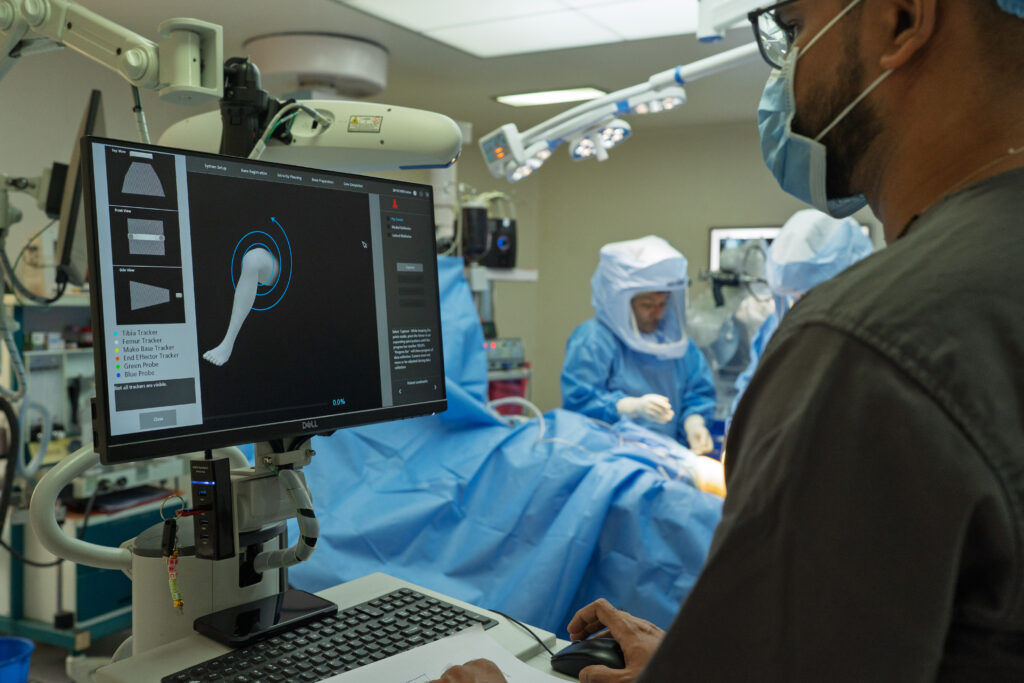
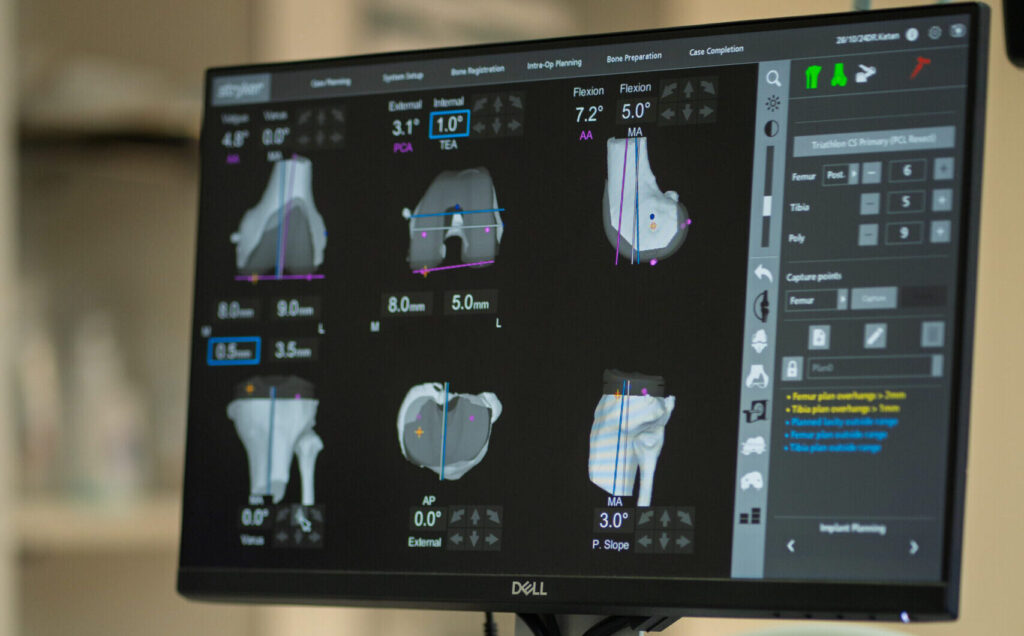
The CT data is used to create a patient-specific 3D model of the joint and surrounding bone.
Dr. Shah uses the 3D model to plan implant size, position, and alignment tailored to the patient’s anatomy.
The plan is reviewed with the patient — implant choices, approach, and expected outcomes are explained.
Step 3: Pre-Operative Preparation
Medical clearance from primary physician (EKG, blood tests, chest X-ray as needed).
Medication review and instructions (stop blood thinners if required).
Pre-hab exercises may be given to strengthen muscles before surgery.
Home arrangements and post-op support are planned.
Step 4: Day of Surgery — Anesthesia & Setup
Patient admitted and anesthesia choice confirmed (general or regional/spinal).
Surgical site prepared and sterile draping applied.
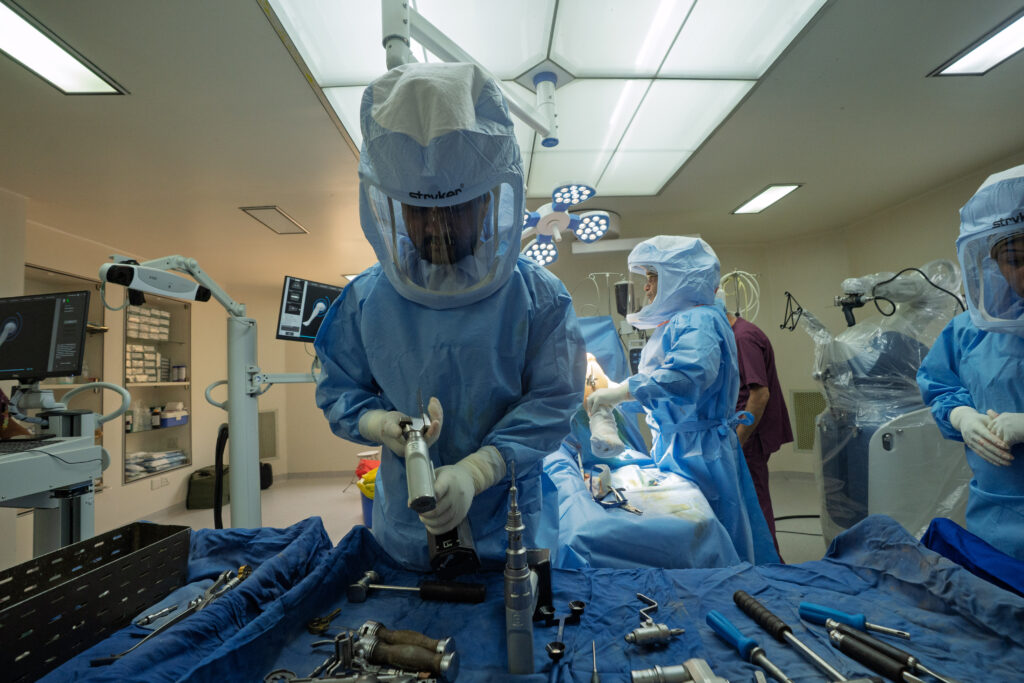
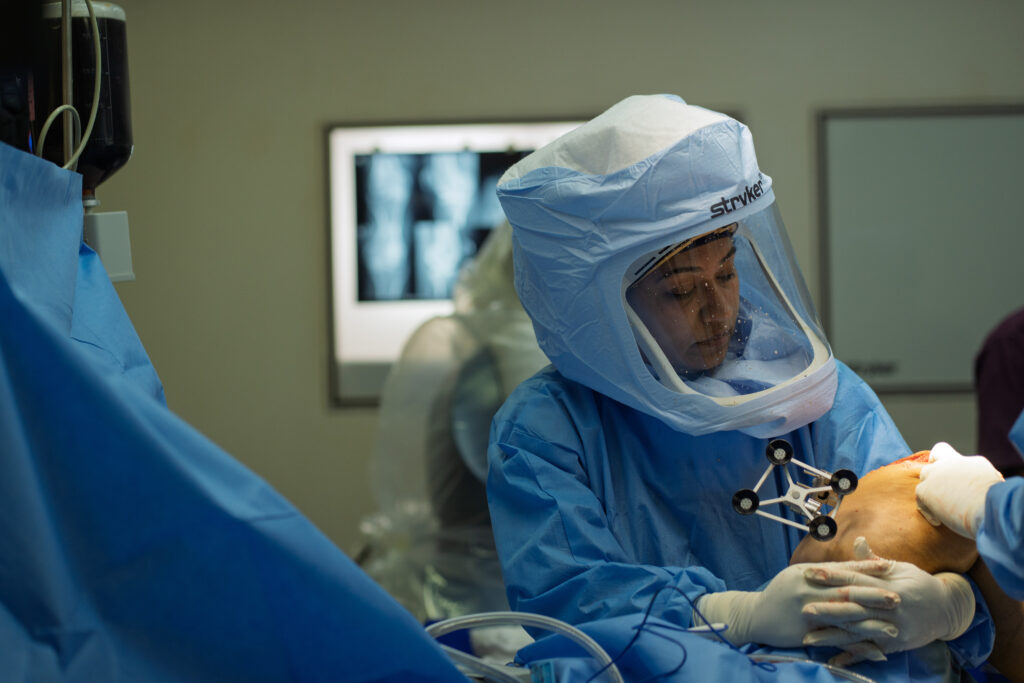
Mako system and instruments are set up in the OR and the patient-specific plan is loaded into the robotic system.
Step 5: Intraoperative Registration & Verification
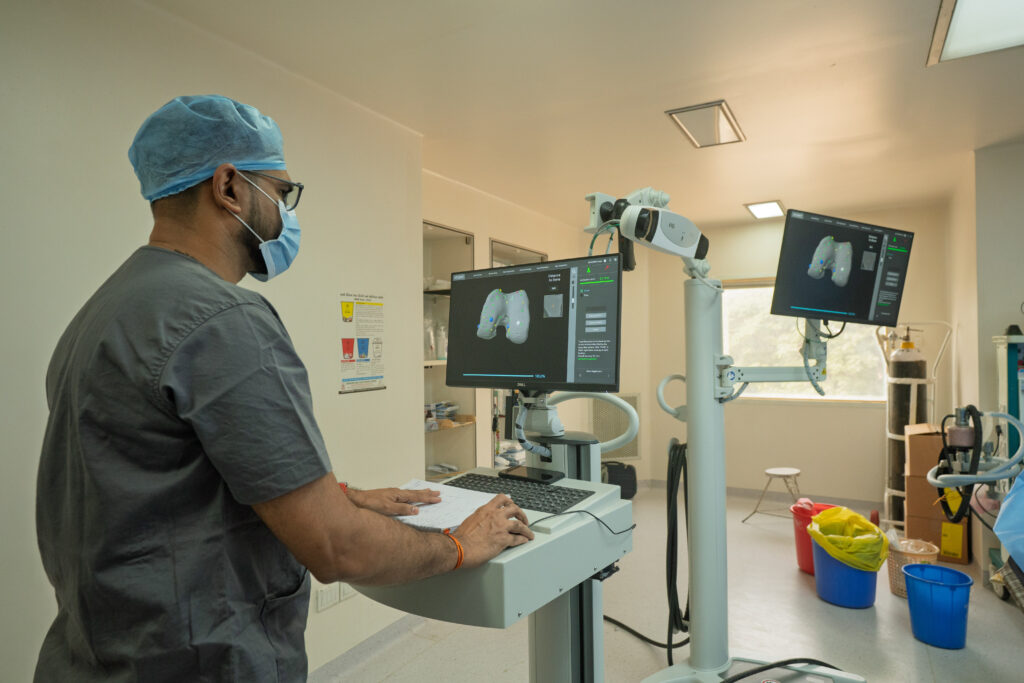
Surgeon registers the patient anatomy to the 3D model using reference markers or mapping points — this aligns the virtual plan with the real anatomy.
Real-time verification ensures the robotic system and the patient model match precisely.
Step 6: Robotic-Assisted Bone Preparation
Only damaged bone is removed while preserving healthy bone and soft tissues.
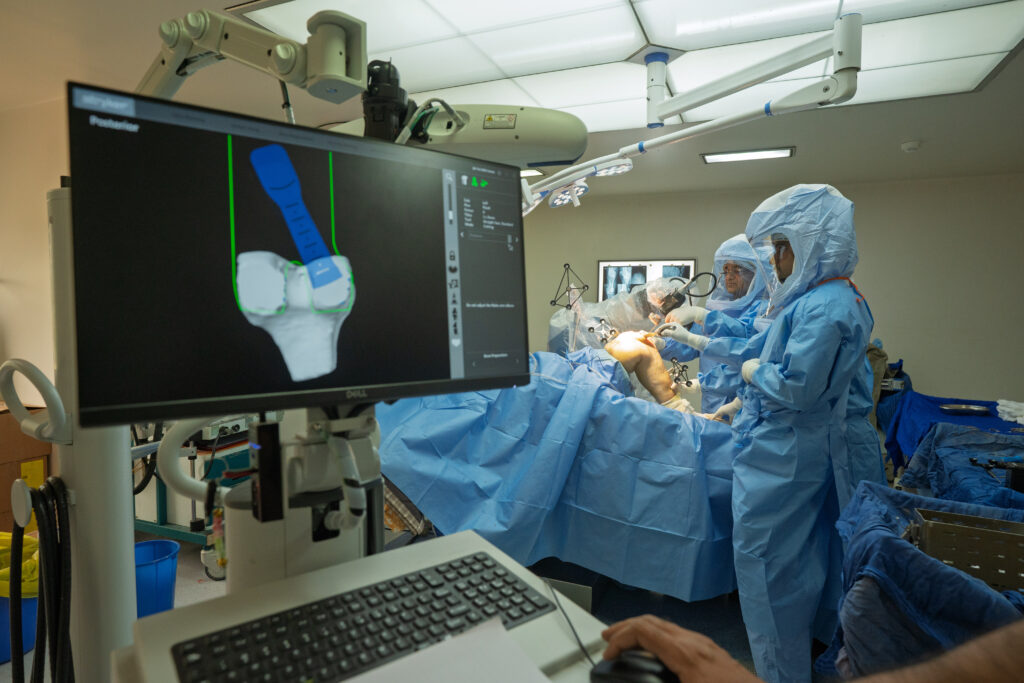
The robotic system constrains the instruments within the planned boundaries, allowing millimeter-level accuracy.
The surgeon guides the robotic arm to execute the pre-planned bone cuts and resections.
Step 7: Implant Trialing & Adjustment
Trial implants are placed to check fit, alignment, leg length (for hips), and soft-tissue balance.
If needed, the surgeon adjusts the plan intraoperatively using real-time feedback from the system.
Final implants are implanted once fit and function are confirmed.
Step 8: Closure & Immediate Post-Op Care
Incision closed with sutures or staples and sterile dressing applied.
Patient moved to recovery for monitoring and pain control.
Early mobilization with physiotherapy is encouraged—often within hours for knee, within 24 hours for hip depending on condition.
Step 9: In-Hospital Recovery & Prevention Measures
Pain management, wound checks, and vital monitoring.
Blood clot prevention: medication, ankle/foot movements, and compression stockings if needed.
Physiotherapist guides walking, stair practice, and safe movement techniques.
Discharge planning when patient can perform basic activities with assistance (typically 1–3 days depending on patient and procedure).

Robotic Joint Replacement
Frequently Asked Questions
What exactly is robotic joint replacement?
It is an advanced form of surgery where a computer-assisted robotic arm helps the surgeon perform the procedure with extremely high precision. The surgeon remains in full control, using the robot to execute a personalized surgical plan.
Does the robot perform the surgery on its own?
No. The robot is a tool that is entirely controlled by your orthopedic surgeon. Think of it as a highly sophisticated GPS and guidance system that allows the surgeon to operate with enhanced accuracy and control.
What are the main benefits of using a robot?
The key benefits are superior precision in placing the implant, better alignment and balancing of the joint, and potentially less damage to surrounding soft tissues. This often translates to a shorter hospital stay, less post-operative pain, and may contribute to longer-lasting implants.
Is robotic surgery safer than traditional surgery?
Robotic systems can enhance safety by providing the surgeon with real-time feedback and creating a virtual boundary to help prevent inadvertent cuts. However, the overall safety of the procedure still fundamentally depends on the surgeon's skill and experience.
Will my recovery be faster?
Patients often experience a faster initial recovery, with less pain and blood loss, allowing them to stand and walk sooner. However, the full recovery timeline (typically 3-6 months for resuming most activities) is similar to traditional surgery and depends heavily on your rehabilitation.
Do I need any special scans before surgery?
Yes. A pre-operative CT scan of your joint is almost always required. This scan is used to create a detailed 3D model of your unique anatomy, which allows the surgeon to plan every step of your procedure in a virtual environment before the surgery day.
What are the potential downsides or risks?
The procedure usually takes longer in the operating room. There is also the added step and potential cost of the pre-operative CT scan. As with any surgery, general risks like infection or blood clots still exist, though robotic precision may help reduce some risks.
Does it cost more?
Typically, yes. There is often an additional cost for the pre-operative CT scan and a "technology fee" for the use of the robotic system. It is crucial to check with your hospital and insurance provider about coverage and out-of-pocket expenses.
How do I choose between robotic and traditional surgery?
The most important factor is your surgeon's expertise. Choose a highly experienced surgeon you trust, and then discuss whether the robotic approach is right for your specific condition. Ask them about their experience with the technology, their outcomes, and their recommendation for your case.